What is the Gibson Les Paul Studio? In which ways is it different from other Les Pauls? Can you only use it in a Studio?
These questions and more will all be answered for you, by me, right now. If you’ve often found yourself considering a Gibson Les Paul Studio, then a read of this blog will hopefully arm you with all the info you need.
The truth is, the Les Paul studio has gone over a few makeovers since it first appeared in the early 90s. As with all of GIbson’s Les Paul models, there’s normally more difference and variation than first meets the eye, and it doesn’t always equate to more money bringing more features! We’ll see that today, so put on your favourite hard rock playlist and let’s figure out the Les Paul Studio…
What is a Gibson Les Paul Studio?
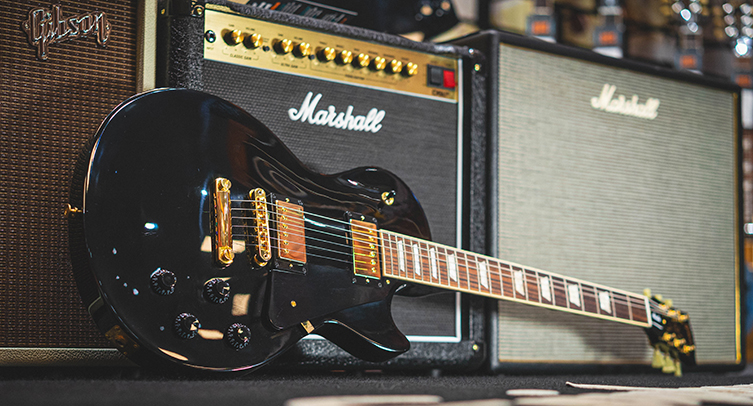
The Gibson Les Paul Studio is essentially a Les Paul stripped of some decoration and altered with a couple of special features. Today’s Studios are somewhat different to original models, but the overall idea is to offer a ‘no-frills’ Les Paul that still sounds and feels like the real deal.
From the beginning, the notion behind the Les Paul Studio was to remove the decorative elements which added to the Les Paul Standard’s expensive cost, thereby offering a guitar to the market at a much lower price. It was still created in America alongside the other Les Paul models, though. So, no (or little) binding, cheaper material for inlays, and a plain maple top instead of a figured one. Modern Studios are weight-relieved too, but that’s less of a price-saver, since they have to cut the bodies first and then work some more to create the inner chambers for the weight relief!
Pickups and hardware depends on the model, but in terms of feel, playability and sound, they are ‘full-fat’ Les Pauls. In terms of looks, they are just simpler, less cluttered Les Pauls!
When was the Gibson Les Paul Studio First Released?
The Les Paul Studio was first released back in 1983. It had a skinnier body, made of alder, and lacked the decorative binding and inlays. The thinking was that, in the recording studio, it didn’t really matter what a guitar looked like; all that mattered was how it played and sounded. In 2026, that seems like a strange way to think, but Gibson were eager to offer an American-made guitar at a more competitive price.
Those first Les Pauls with alder bodies had lacquer-crack problems, so Gibson changed to the more regular mahogany-and-maple-cap build that we know and love.
What Versions of the Les Paul Studio Are There?
Several variations of Studio appeared throughout the 80s, including the Studio Standard and Studio Custom. The mid 90s brought about the Studio that most players think of: the wine red or black guitar with chrome or gold hardware. Classy and understated, these are rightfully loved by Gibson fans despite their relatively humble status.
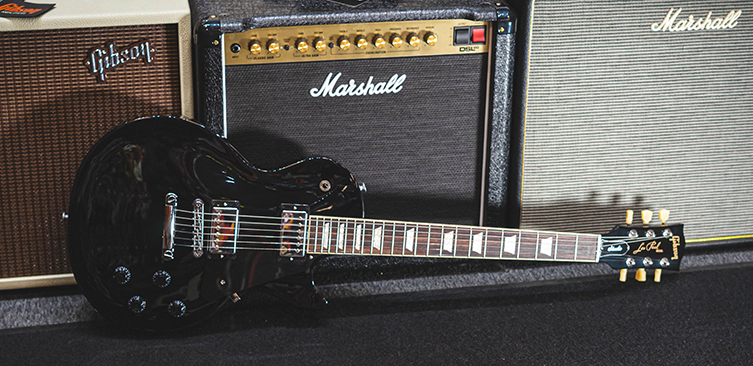
The 90s also brought the Studio Lite, which presaged current models by offering weight relief, although this one did it by using a made-up name for Balsa wood (“Chromyte”, which is nonsense) for the body wood. Not a great idea!
Various other limited edition Studios were released in the 00s, including the Voodoo, Gothic, Smart Wood and of course the despised ‘Robot’ models. Do you remember those? If you don’t, it’s an interesting misstep in the world of Gibson guitars, and one that still either raises a smile or a groan from those who were around for it.
Today, there are several Studio models to choose from, and I’ll pick up that subject a little later in this blog.
What Does the Gibson Les Paul Studio Sound Like?
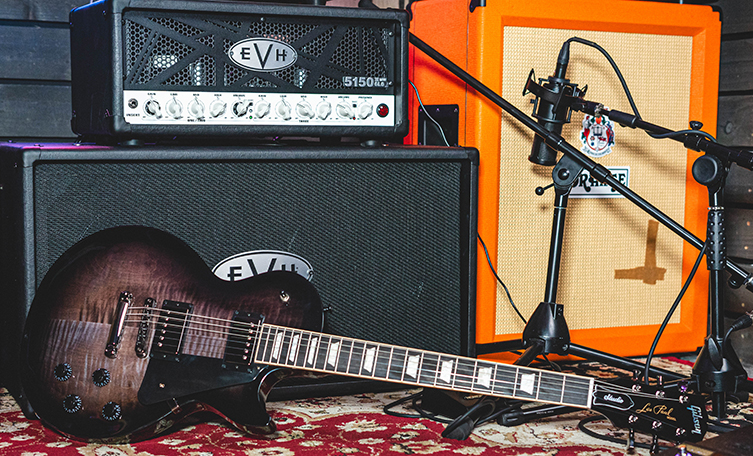
The Gibson Les Paul Studio sounds indistinguishable from other Les Pauls. There is a signature sound to the Les Paul that’s thick and sustaining, often referred to as ‘cello-like’. The Les Paul Studio delivers this tone as well as a Les Paul Standard. This is because the fundamentals are the same: same woods, same construction, same pickups and same hardware.
It’s true that there are lots of different types of Les Paul out there today, from Standards to Customs and more. Some of these offer features that do change the sound a little, and other features that don’t have much impact. It’s safe to say that today’s Les Paul Studio models are very able to give you that signature Les Paul sound.
Who Uses a Gibson Les Paul Studio?
Gibson Les Paul Studios are used by lots of hard rock, industrial and goth players. You’ll see them in the hands of members of My Chemical Romance, AFI, Nine Inch Nails, Misfits and other black-clad bands who play heavy, moody, intense music. Artists who like a darker and harder sound seem to prefer the more ‘straight-to-business’ vibe of the LP Studio, partly for its mean good looks but also for the attitude it projects to the player.
These aren’t museum pieces to be carefully handled and gently plucked: they are powerful wrenches to be pulled from the toolbox and put to work. They bring a huge crunch, a cool look and a quiet authority that such artists seek.
Why Guitarists Love the Gibson Les Paul Studio
- Signature rich Les Paul tone
- Less weight on the shoulder than other Les Pauls
- A durable workhorse that can be relied on for touring
- Good value, given their features and origin
- Unfussy good looks and utilitarian sensibility makes for a great stage guitar
Today’s Les Paul Studio
In 2026, there are three overall variations on the Les Paul Studio available. There’s a few differences between them, but before I get to those, here’s what they all have in common…
- Weight-relieved mahogany body with a maple cap
- Glued-in ‘set’ mahogany neck
- 24.75” scale length
- Twin humbucking pickups
- Nitrocellulose finish
- Soft case
- Extra circuitry and switching (see each model for details)
Those are the similarities: now on to the differences…
Gibson Les Paul Studio
- Plain maple top
- Slim taper neck
- Bound rosewood fingerboard with a 12” radius
- Medium jumbo frets
- Graphtech nut
- Burstbucker Pro pickups
- Push/Pull for coil taps on each pickup
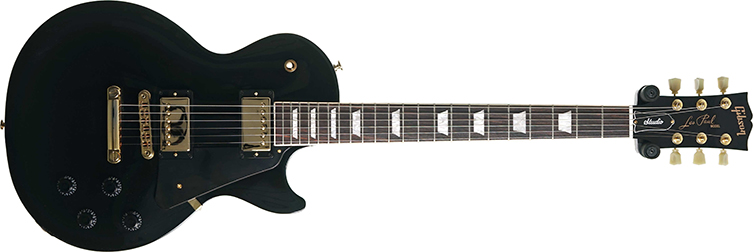
Gibson Les Paul Studio Modern
- Plain maple top
- Bound ebony fingerboard with a compound radius
- Modern countered heel at neck join for enhanced access
- Coil taps for each pickup
- Phase and pure bypass switches
- 498T & 490R pickups (the same as the Les Paul Custom!)
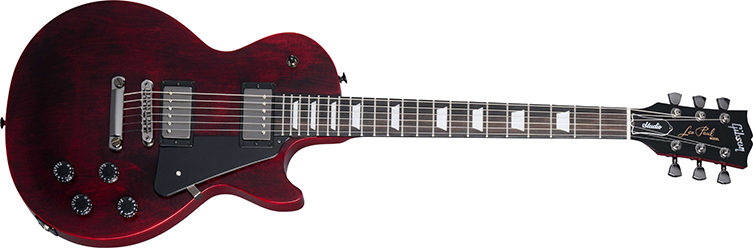
Gibson Les Paul Studio Session
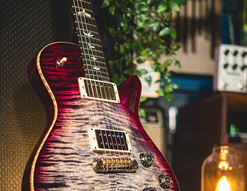
- AA figured maple carved top with translucent finish
- Slim taper neck profile
- Ebony fingerboard
- Modern contoured heel
- 12” fingerboard radius
- 57 Classic Plus bridge pickup, 57 Classic neck pickup
- Push/pull coil taps for each pickup
- Phase and pure bypass switching
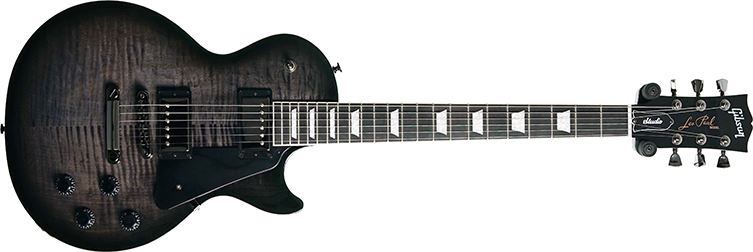
So, you can see from the boxes above that the Les Paul Studio can vary in features quite a fair bit from model to model. What I’d say is true to them all is an expanded sonic palette, thanks to the switching, and a focus on player-friendly features (heel contours, weight relief) over notions of vintage authenticity.
When choosing, you’ll have your needs and preferences, not to mention ones that you simply prefer the look of. They are all in the same wheelhouse, but do make sure you pay attention to which Studio delivers the best experience for you.
They also aren’t the ‘cheap Les Pauls’ they once were, though they are still less expensive than an LP Standard. This is fitting, since the guitars themselves are so full of special attributes. Basically, if you are a gigging guitarist looking for that trademark Les Paul crunch, thump and sustain, then the Studio models are proper contenders, not consolations.
Click to Browse our Gibson Les Paul Studios