Schecter are a brand of guitar familiar to us all. Whether you’ve owned one, played one or just seen one in the hands of a top band, you’ll be aware of their larger-than-life aesthetic. Very cool, very ‘rock star’ guitars, but what’s the story behind them?
That’s something I wondered about. As a fan of the brand, I had some awareness that they started out as a boutique custom shop, just like Charvel, in California. That was kind of it, though, so I made it my mission to dive deeper into the story of Schecter guitars. The results of that dive are what you’re reading today, so please grab a beverage, queue up your favourite hard rock playlist and follow me as I regale you with the brief and subjective history of Schecter guitars…
In the Beginning: Van Nuys, 1976
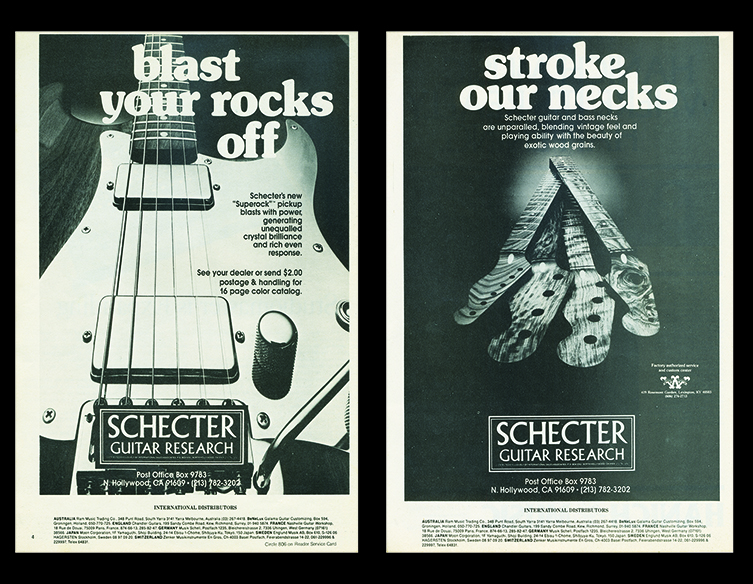
The story of Schecter begins predictably enough with somebody called Schecter. But even that isn’t the whole story, because the company was brought to life by four individuals. You had David Schecter, the ideas man with the vision and the skills; there was also Shel Horlick, Herschel Blankenship and Gene Rushall on board too. According to early employee Brad Hodges (courtesy of a great article on the foxy guitars website), Dave Schecter was a person who “knew how to do everything, but didn’t really give orders”. That role was taken up in a day-to-day fashion by Rushall, with Blankenship providing the main thrust of sales and marketing direction.
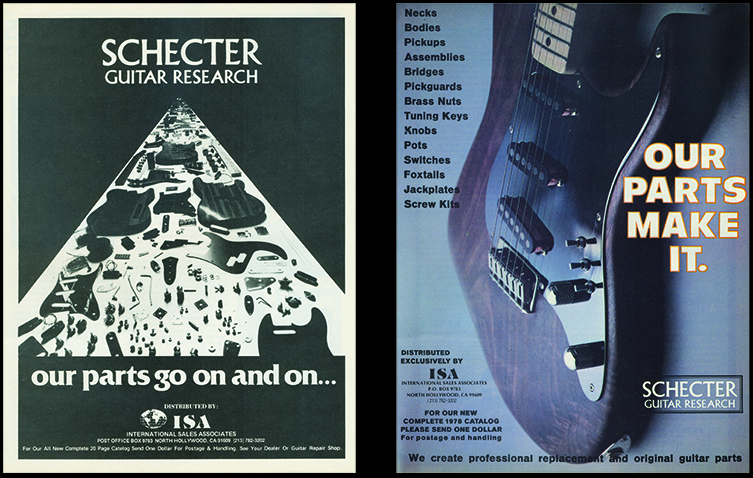
Schecter began as a replacement parts service for customers looking to either upgrade or change up worn parts. The Van Nuys premises housed several machine shops and also David Schecter’s private residence. Indeed, he stashed a bed and a small kitchen inside one of the buildings where he had his lathe, drill press and all the rest of his heavy machinery, separating things by hanging up blankets. Talk about dedication?
David Schecter had built all of his own jigs and bits for building the parts he needed. From this, the premises developed to include specific shops for wood working, electrics, finishing and a general HQ.
Pickups
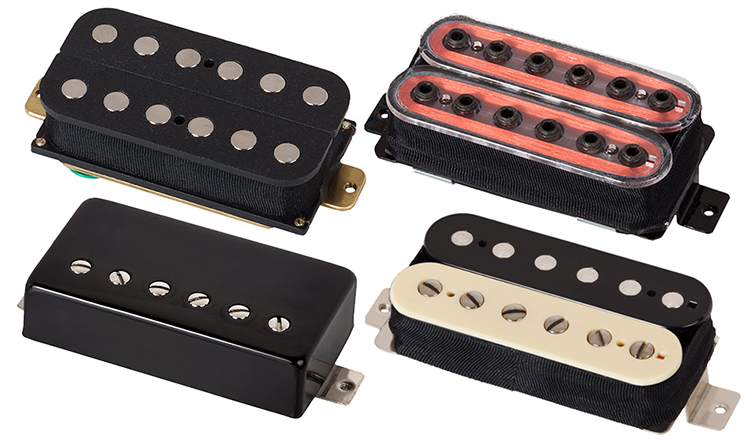
Pickups have been handmade at Schecter since the beginning. From winding coils, pressing magnets, pushing brass pieces into the bobbins and even wax-potting the finished pickup, everything was created in house, by the hand-work of a small team of artisans. This is continued today with any USA-made Schecter pickups, which makes it a pretty big deal if your guitar came supplied with them! They are also available as aftermarket upgrades in a number of models.
Enter Tom Anderson
Have you heard of Tom Anderson? I expect you have, but in case you haven’t, he’s one of the very top names in Californian boutique bolt-ons. A Tom Anderson Drop-Top is held in the same esteem as an original James Tyler Schmear, so we are talking creme de la creme custom shop S-types here.
Tom Anderson’s pickups are also exceptional, but that’s another story. The reason I mention him here is because he got his first commercial shot at guitar building at Schecter. He joined the company in 1977, just as they were beginning to offer fully built instruments in addition to replacement parts.
Tom was very much a ‘wood guy’ and had both the knowledge and the exacting standard to make a noticeable improvement on Schecter’s necks and bodies. We talk about ‘Van Nuys Schecters’, and that’s shorthand for custom builds from this era (1979-ish) that have Tom Anderson-made necks and bodies.
Tom stayed with Schecter for a number of years before branching out on his own in 1984 when manufacturing began to move overseas. This felt conflicting to Tom’s ‘in-house’ ethos, so he left to begin Tom Anderson Guitarworks.
1983 - The Sale, and Overseas Builds, Lawsuits
The Schecter brand was sold to a group of Texan investors in 1983. The decision was made to expand further by building guitar parts overseas in addition to those built in Van Nuys. As mentioned, chief builder Tom Anderson left a year later to strike out on his own, while the Schecter brand moved out to Dallas. For the next half-decade, guitars were built using a combination of imported parts and USA-made parts.
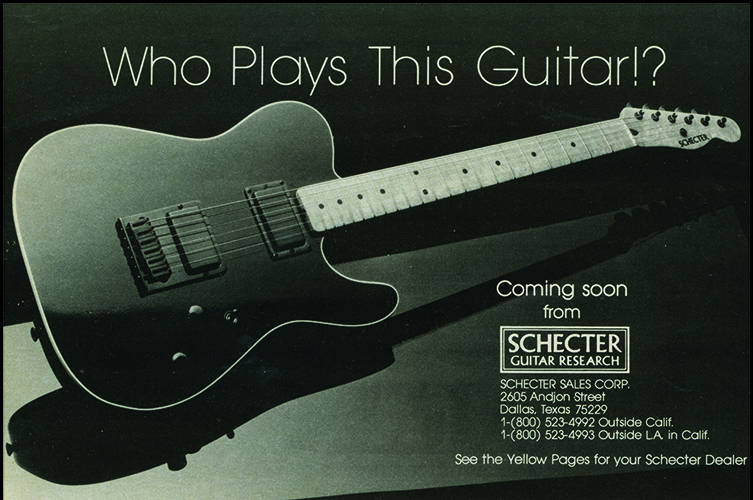
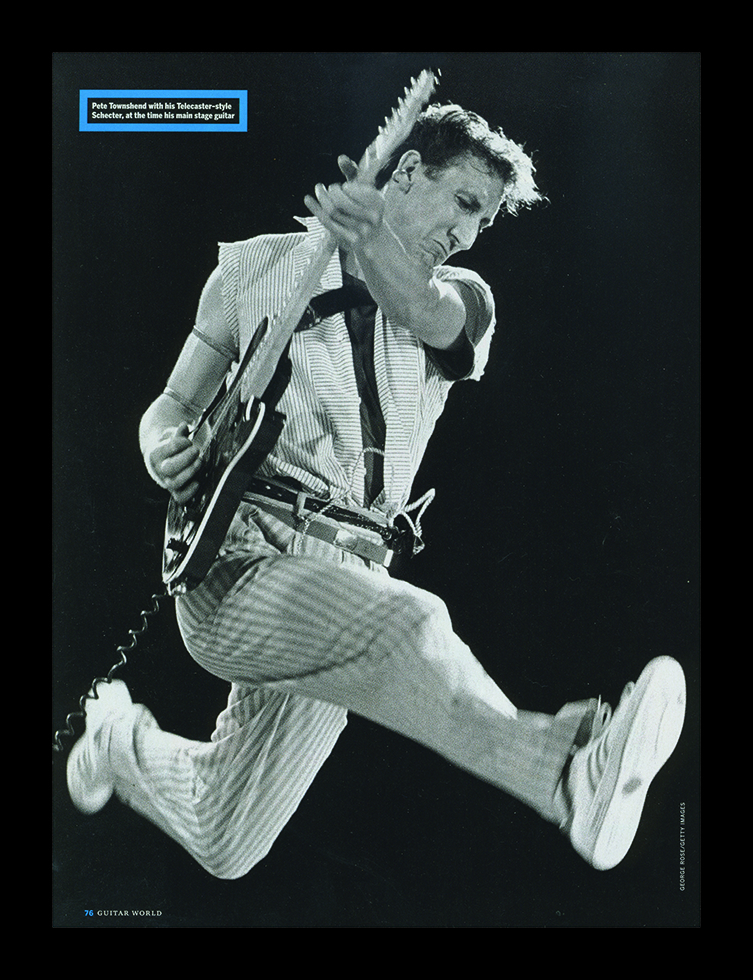
Guitars at this point still sported Fender-shaped headstocks (the Saturn was the Tele we now know as the PT, and the Mercury looked like a Strat, basically) since Schecter had a limited licensing agreement for their spare parts. It brought about a lawsuit, and the headstocks were altered towards how we’d recognise them today. That’s a little ahead of our timeline though, because what happened with the lawsuits was that Schecter actually had to close its doors for a while in 1986, before being bought by Japanese businessman Hisatake Shibuya. This didn’t stop them from attracting no less a name than Yngwie Malmsteen to their stable for a while, making him a number of guitars before he fell in with Fender.
Hisatake Shibuya
Hisatake Shibuya is a significant name in the guitar universe, particularly if you like hard rock and Californian guitar brands. He was the founder of ESP guitars in Tokyo back in 1975, and it was he who set up that brand’s Los Angeles headquarters. Later on in the 90s, Shibuya also founded the prestigious Musician’s Institute in Hollywood, so you see what I mean about his SoCal influence! Shibuya’s vision for Schecter was to take it away from Texas, back to California and also back to making fully custom, boutique guitars.
This meant that numbers would be fewer, and retailers more exclusive. One such was Sunset Custom Guitars in Hollywood, owned by guess who? Correct. Shibuya sold his premium Schecter guitars from there and selected other dealers. Demand was larger than supply, and expansion seemed an obvious move. One particular staff member at Sunset Custom Guitars caught Shibuya’s attention, and quickly became the guy in charge of Schecter as their new president.
Michael Ciravolo, New Designs & Schecter Diamond Series
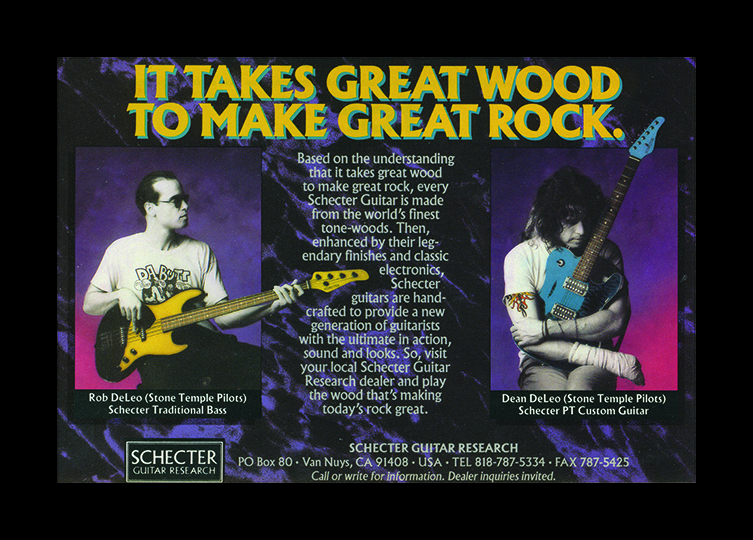
With Schecter’s new president freshly installed, Michael Ciravolo set about bringing the brand into focus in the way that we see it today. Ciravolo was an active musician around LA and brought a bunch of his most well-known muso friends into the Schecter world. Players from White Zombie, Stone Temple Pilots and more signed up with the brand, and at the same time, Ciravolo made steps to move Schecter away from traditional guitar shapes.
Some of the first original designs were the Tempest, Avenger and Hellcat models, which nobody could say looked like Fenders!
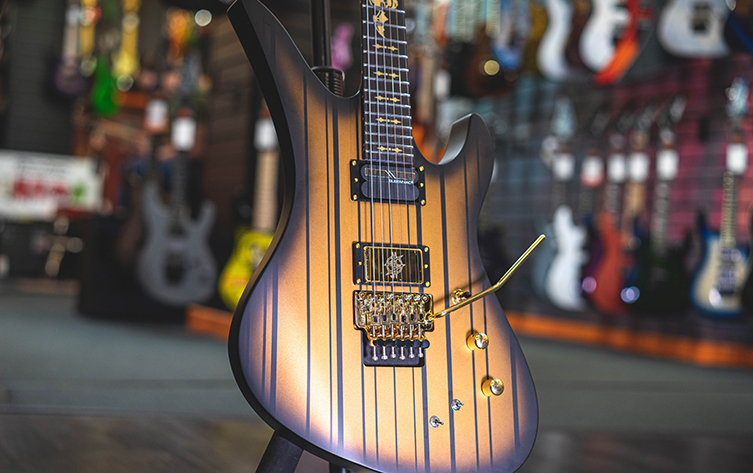
We’re in the mid 90s now, and Schecter are still only making top-priced custom models in small numbers. By that I mean 40 guitars a month! It was time to look into foreign production again, in a controllable and scalable way, with these new guitar designs at the forefront.
Enter the Schecter Diamond Series. Did you ever wonder what that meant? On the headstock of your Schecter? Well, the Schecter Diamond series is basically all non American guitars. They were introduced in 1998 and are production line models, built (then at least) in South Korea, instilling the new Schecter rock ‘n’ roll ethos and considerably more affordable than those built in California.
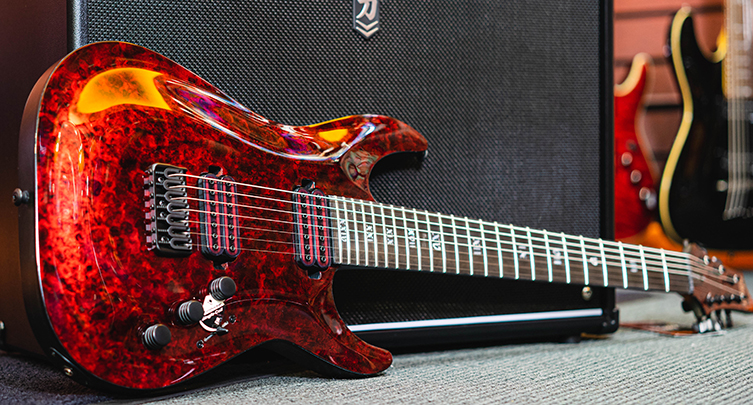
One year later, in 1999, Schecter released their C-1 design, the chunky double-cut that has become something of a trademark since, and a blueprint/springboard for endless model variations.
Schecter Today
Jumping forward some, Schecter is still overseen by Ciravolo, and the brand is bigger than ever. The roster of artists is both large and impressive (check out my blog on Schecter Artists) and there are so many model options available that you might need this handy Guide to Schecter Ranges blog to help you navigate it all!
What is clear here is that Schecter have remained on the pulse of what hard rock, metal and goth players actually want to play, and they’ve created just that. There’s no overt nodding to the golden era of the 50s and 60s, though the occasional Retro model at least nods in that direction. But mostly, Schecter are about offering a quality alternative to the older established brands, and are increasingly the choice of major players across the world.
Click to View our Range of Schecter Guitars