Powerful classic synthesizers, faithfully recreated as software plugins.
Elegant and stylish hardware that combines beauty and functionality.
Forward thinking ideas that put creation at the front of the process.
It can only be Arturia, can’t it?
For over a quarter of a century, Arturia have brought musicians the past and the future simultaneously, with retro recreations of beloved synths, and exciting new instruments to the vocabulary of electronic music. Theirs is a story of understanding what electronic musicians want, and also about showing them what they don’t yet know what they want!
I want to dive into the Arturia backstory a little and celebrate some of their considerable wins over the last twenty five years. As an avid user of several pieces of Arturia equipment in my own musical setup, I’ve long since been convinced of their depth of quality. I expect you probably will be too, but in case you’re new to the brand, let me go back to the start…
The STORM Begins: France, 1999
We are time travelling to 1999, and hoping across to France. To the Institut National Polytechnique de Grenoble to be exact, better known to us as the Grenoble National Polytechnic Institute. It’s a well known college for engineering in various disciplines, nestled in what is the 2nd most innovative city in Europe (and 5th on Earth) according to Forbes. Two engineers - Frederic Brun and Gilles Pommereuil had a desire to create software instruments that were affordable and effective.
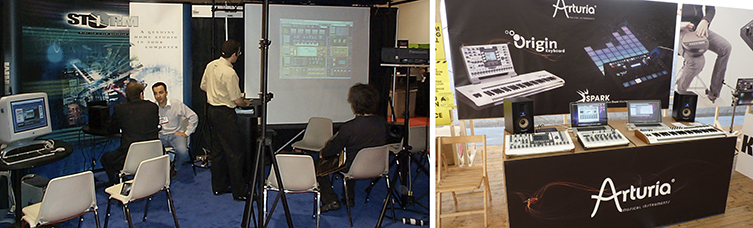
This mutual desire blossomed into a full-on collaboration resulting in Storm, Arturia’s first piece of software. This was a complete recording solution which included a rudimentary DAW, a suite of virtual synthesizers, drums, effects and a mixer. Whilst Storm is now discontinued, it did run as far as having three versions, and introduced a lot of electronic artists to the digital workflow. Lots of the synth models were based on famous archetypes such as the Roland TB-303, but still, Arturia put their own slant on these.
A relatively streamlined experience by today’s standards, Storm was a relatively complex affair for the time, and started a process which would lead to what is perhaps their most famous software: the V-Collection.
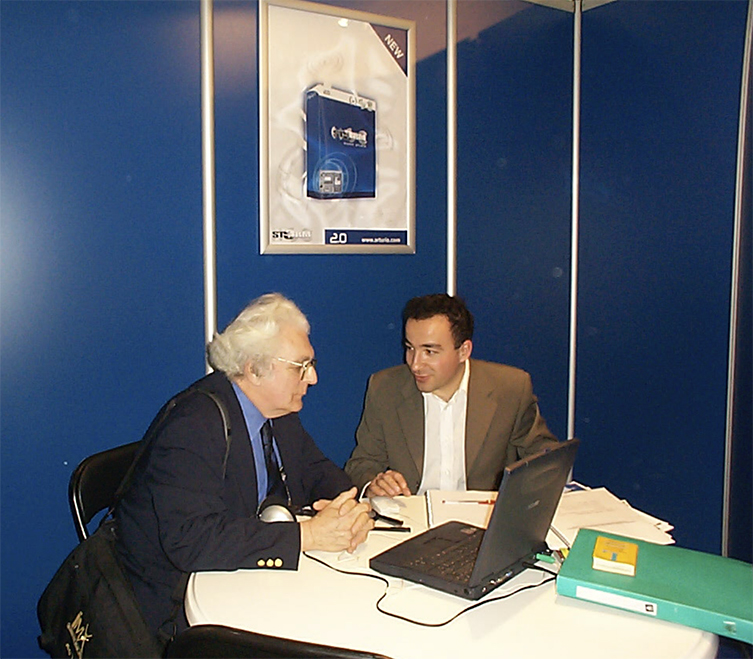
(Arturia co-founder Frederic Brun enjoying a casual chat with none other than Bob Moog himself)
2003: A Synth Odyssey
I don’t want to edge into hyperbole here, but the Arturia V-Collection is easily one of the most significant pieces of music-making software that has ever been released. The sheer success of the venture, mixed with the popularity of it - it’s the first choice for the majority of top producers and artists in the world looking for retro synths - means that I can’t really overstate how important the V-Collection is for modern music.
So, what is the V-Collection?
It’s a group of carefully curated plugins that each recreate a classic synthesizer model. When I say recreate, they are extraordinarily close to the originals in terms of sonics, and in terms of behaviour. Every original knob, slider, fader and ribbon is recreated graphically, with the same level of depth as the original synth.
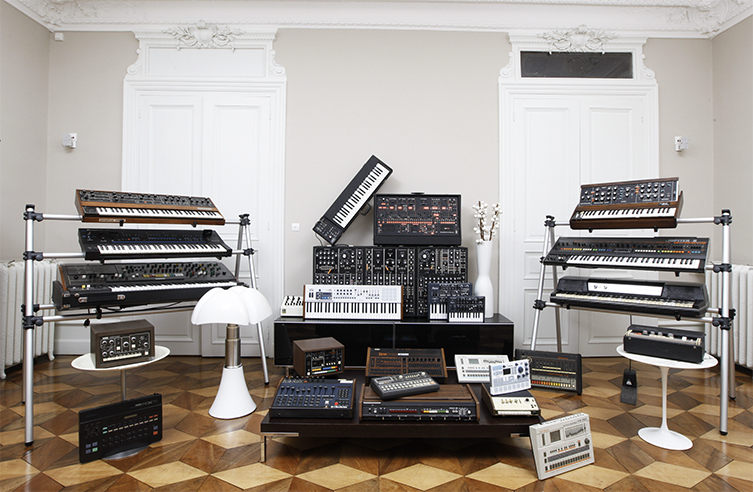
And what a collection of synths they are! Even Jean Michel Jarre doesn’t have all of this stuff! There are several ‘Holy Grail’ synths in there such as the Sequential Circuits Prophet 5, the Minimoog, the Roland Jupiter-8 and the Yamaha CS80; there are essential 80s digital synths such as the Yamaha DX7 and the Roland JP-80000. There are organs, ARPs, Fender Rhoades pianos…there really isn’t much from the golden eras of synthesis that aren’t available in the V-Collection.
Central to all of this is the plain fact that they DO sound like their physical brethren. As a player lucky enough to have had some hands-on time with a few classic vintage synthesizers, I can attest to how good these recreations are. It’s a lovely thing to be able to spend under £150 on even the Intro version and still get accurate models of the Minimoog (Arturia call it the Mini V), Roland Juno-6 (Jun-6 V) and the Sequential Circuits Prophet-5 (Prophet-5 V).
For fun, I checked out the current used prices for these vintage synths, and those three alone will currently set you back the best part of £11.5k if you want the real deal! And if you want some real perspective, the fabled Yamaha CS80 (made famous by Vangelis’ Blade Runner and Chariots of Fire scores) has a second-hand asking price of FORTY THOUSAND QUID!
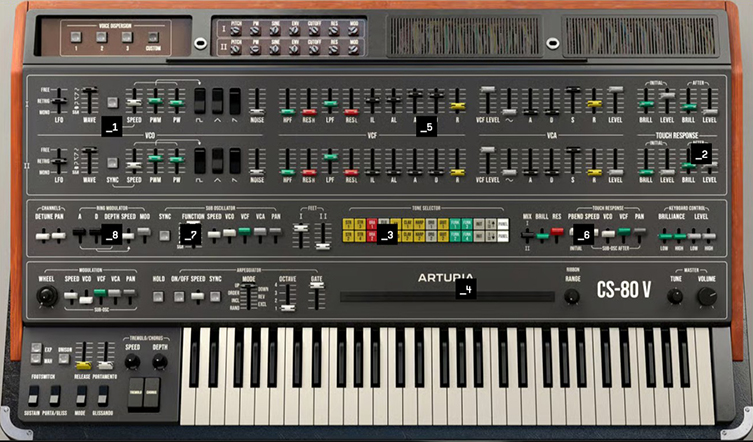
So, the value in having these synths captured convincingly in software form starts to become pretty apparent, doesn’t it?
Hardware Synths
In 2009, Arturia brought us the Origin, Arturia’s first fully ‘physical’ hardware synth. I say ‘synth’, but it was actually a good degree more than just that. The Origin allowed the user to build their own ‘virtual modular’ synth from modelled components. These components were inspired by many of those classic synths I just mentioned, so the possibilities were exciting, to say the least. Building your own personal synth featuring your favourite bits from various classic keyboards? How cool? Whilst the modules weren’t slavish copies, they were close enough for users to get the connection.
It was able to operate as a standard (albeit powerful) synth as well, of course. You could split tones, layer them up, and use the generous amount of physical control knobs to work in a satisfying and intuitive way. But it was when you began to build new, non-existent hybrid synths that the Origin really began to show the Arturia genius.
Brutes and Freaks
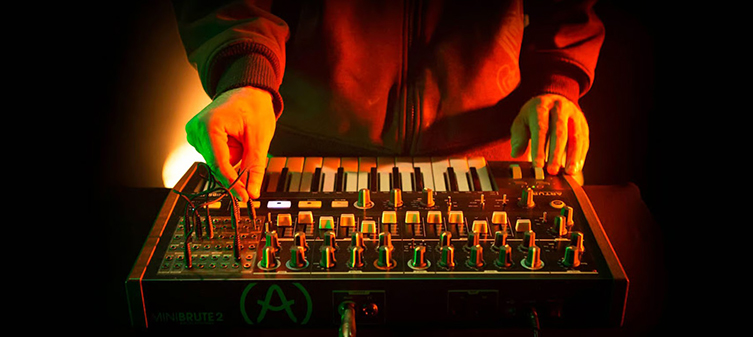
For many, the Minibrute was when Arturia’s hardware synthesizers became a sensation. The Minibrute, released in 2012, was a compact analog synth with a very aggressive sound, lots of control knobs and features with cool names such as the ’Metalliser’. It cut through the option paralysis of endless menus and delivered the scorched, slightly obnoxious sounds favoured by artists such as Carpenter Brut, NIN and Author & Punisher.
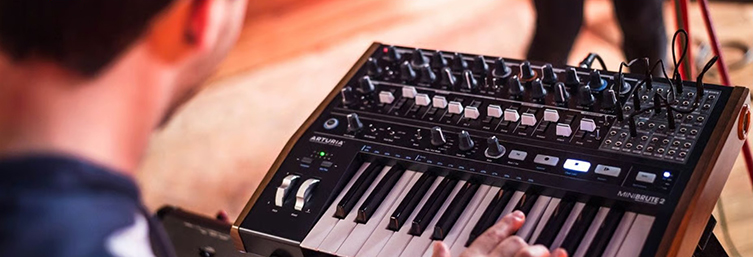
It was right on the money, and proved to be a huge hit. At that time, I worked in the guitarguitar keyboard department and can recall not only the buzz about the Minibrute, but the number of times we completely sold out on them and had to increase our orders! It was like the ‘new Microkorg’ in a way: a small and exciting synthesizer that captured the zeitgeist.
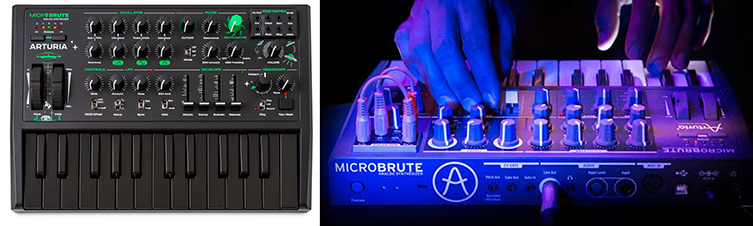
The Minibrute was followed by the even smaller Microbrute, which managed to retain an impressive amount of control, and also the Drumbrute hardware drum machine.
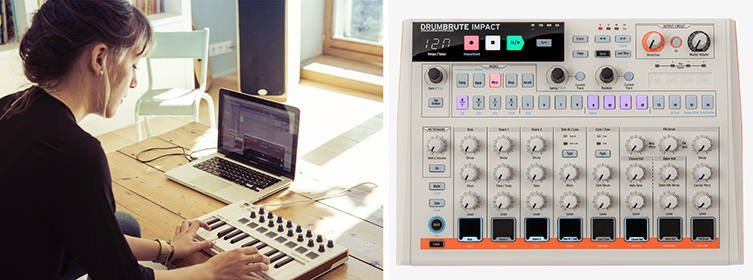
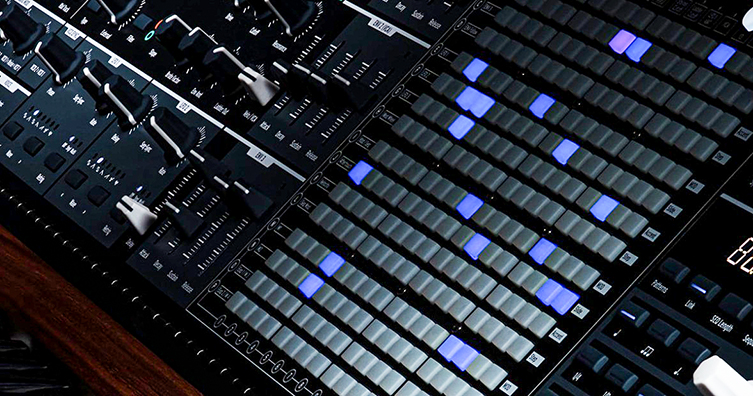
More brutes showed up soon enough, including the Matrixbrute (with a huge XY Matrix section that can function as a sequencer, a router and more) and the Polybrute, which Arturia claim is the most expressive synthesiser ever.
As for the Freaks, well, there’s a whole gang of them now. Minifreak, Microfreak and versions with a vocoder currently exists, with limited edition models being offered from time to time.
The idea behind these compact synths is to combine different digital sound engines within the synth, offer a rich variety of manipulation via sequencing, filtering and modulation, and add a good old dose of hazard into the proceedings. The result is what I’d call controllable chaos. You can have it semi-predictable if you like, but the fun with the Freak range is in the exploration and the spirit of adventure.
These are genuinely exciting, legitimate contenders in the world of future-classic synths. They aren’t just going over all of the same old territory: they are claiming new ground for synthesists, and employing new methods for creating sounds. It’s innovation, basically, in the way that the big companies used to be.
Hans Zimmer
If you like synths then you’re going to be more than aware of Hollywood film composer Hans Zimmer. Hans has been a user of the Arturia V-Collection for many years, but there’s more to the story than that…
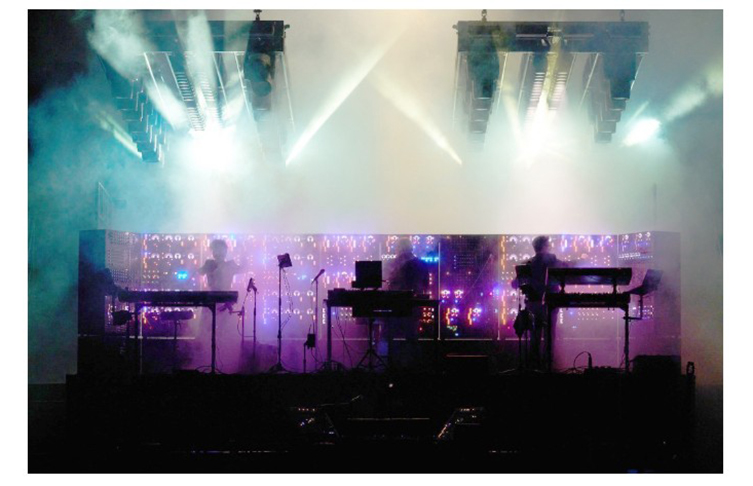
Last year, after catching his live show again, I was blown away by an enormous modular synthesizer that occupied the centre of the stage. Unsure if it was a real instrument or just a fancy prop, I went on a fact-finding mission. This led me to one of the synth’s creators, Yves Usson.
As it turned out, the synth was very much a real instrument and it has a name: Giorgio III! I reached out to Yves for an interview, which he agreed to. This is when I learned that Yves had worked extensively with Arturia. He is in fact the man responsible for creating the Minibrute’s Metallizer! The technology is ‘wavefolding’ and is now used in other synths. Yves is a pioneer, so make sure you check out my Hans Zimmer’s Synth blog to get the exclusive scoop on Giorgio III by one of the men who designed it!
Arturia Today
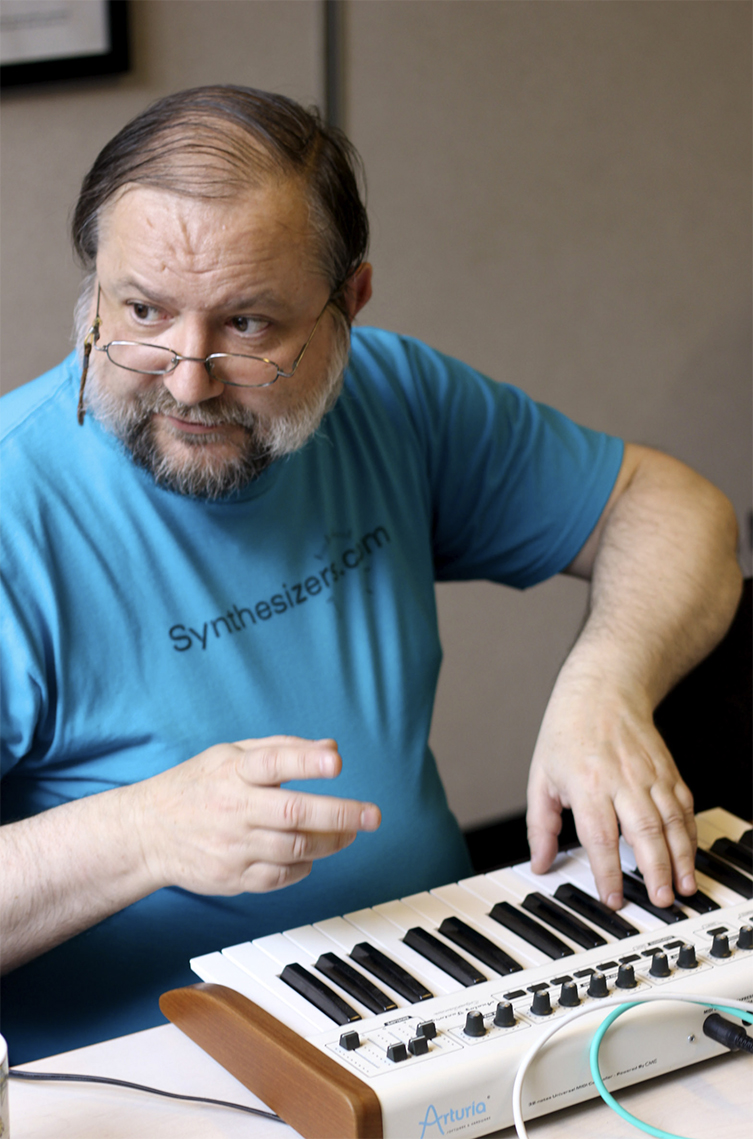
Arturia seem to be equally adept at building software and hardware that appeals to today’s players. They have their own attitude, aesthetic and sense of direction. All of this is encapsulated in their products, and one recent example that shows this is the Astrolab keyboard series.
The Arturia Astrolab - resplendent in the Arturia livery of white powder-coated aluminium and wooden ends - is a digital stage keyboard which incorporates the mighty V-Collection. Top quality Fatar keybeds with triple sensors give you the perfect interface for expressive, pianistic playing, and the 1600 onboard presets give you everything from vintage analog favourites to physically modelled pianos; FM and granular synthesis to full on Kraftwerk-style vocoders! It’s about getting away from the laptop, but still using the sounds you’ve come to rely upon in the studio.
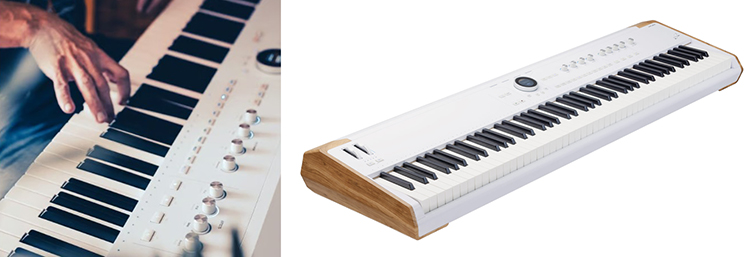
Arturia are pushing the world of synthesis and production into new places with software and hardware. There’s a healthy respect for the past, and the rich heritage of vintage synthesizers, but there’s always that full to the future horizon, too. Theirs isn’t an academic collecting of historical sounds, but rather a holistic reimagining of the way we engage with ALL electronic sounds, with equal consideration given to modernity and practicality.
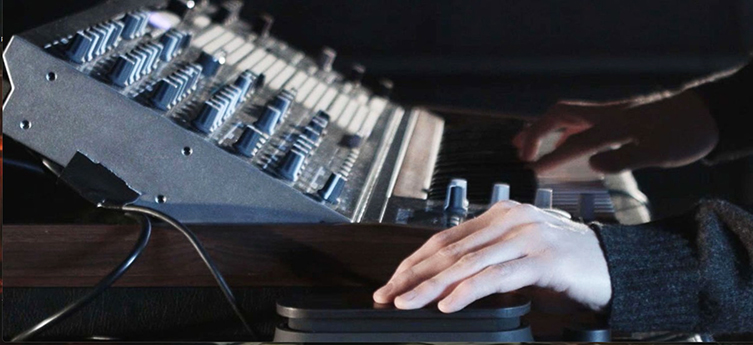
Arturia are arguably the most exciting synth brand on the planet right now. Have you gotten involved yet?