What is phantom power? What does it have to do with music and how do you use it?
Well, Spider-Man’s uncle famously said ‘with great power comes great responsibility’, but this isn’t that sort of power. Nor is it some sort of supernatural force for harnessing and bending to your will, despite having the word ‘phantom’ in it. Phantom power is a simple concept and I’ll tell you what it is right here, right now.
You ready?
Contents
When Will I Need Phantom Power?
What If I Don’t Have Phantom Power?
What is Phantom Power?
Let’s begin with the main question: what exactly is phantom power?
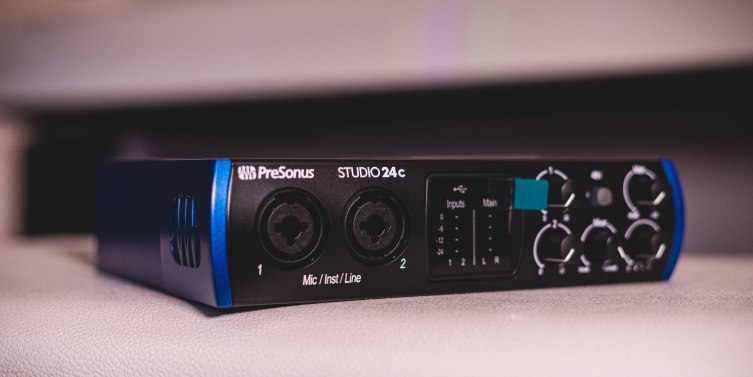
Phantom power is essentially an extra charge of direct current delivered by any device capable of it (we normally see these on Audio Interfaces, for example) to devices which require them. It’s generally particularly sensitive equipment such as condenser microphones which requires this extra power in order to power the internal amplifier.
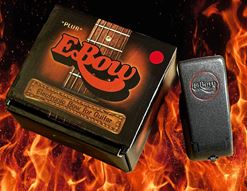
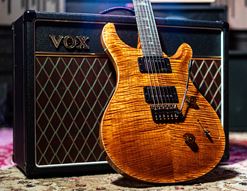
Phantom power can almost be compared to active guitar pickups like EMGs in the sense that those require a charge from a 9v battery in order to work. Active circuitry just needs a power source, and devices with a phantom power feature are able to offer this.
When Will I Need Phantom Power?
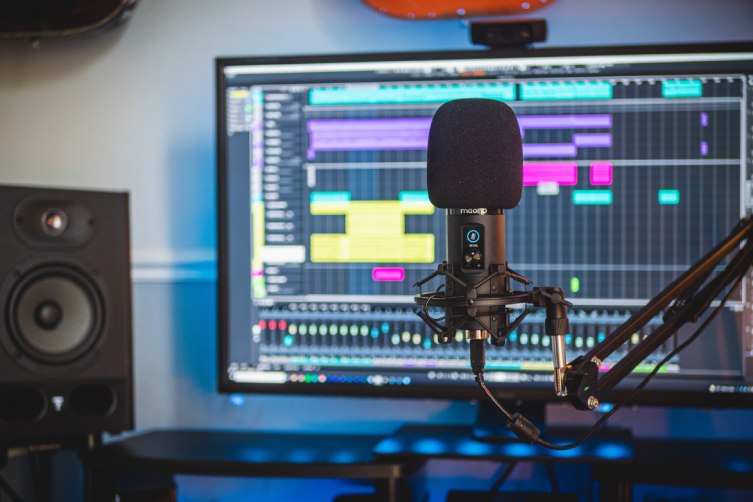
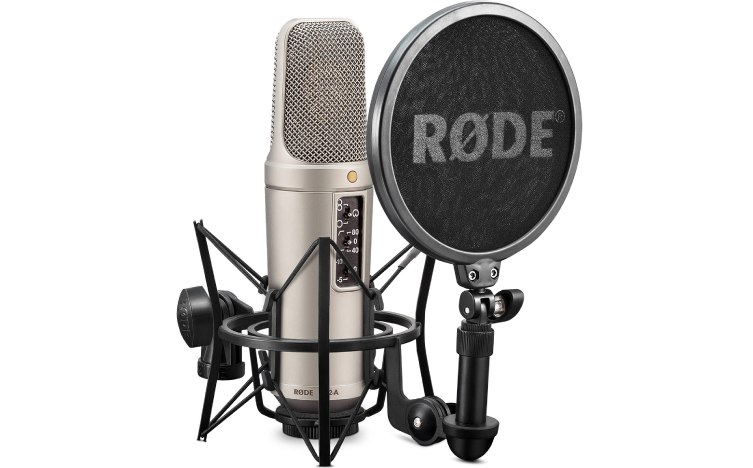
As a musician, the most relevant use of phantom power is when working with condenser microphones. As you know, dynamic mics such as the Shure SM58 are ‘plug and play’ and that’s because they have a passive circuit inside them. Condenser mics such as the Rode NT2A have internal circuits that need their own juice, as it were. Phantom power supplies that.
How Do I Use Phantom Power?
If you need to use phantom power, have a look at your audio interface or studio preamp. Somewhere on the device, there will be a switch with either ‘phantom power’ or ‘+48v’. This is what you switch on for phantom power. The worldwide standard for phantom power is between 11 and 52v of direct current, with 48v being the most often required for mics.
Simply push the button/flip the phantom power switch and connect your microphone as usual with a standard XLR cable. You’re ready to record!
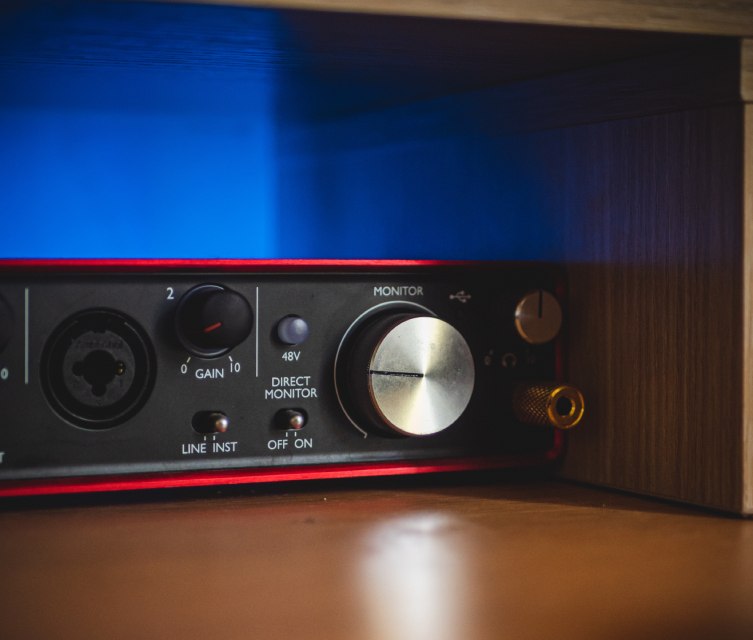
It might be useful to know that phantom power is ‘invisible’ to dynamic mics, which you’ll remember reading earlier on, don’t actually need it. This is great, because you can just use whichever mics are appropriate to your goals: the phantom power will be used by the mics that require it, and ignored by those that don’t. I’d briefly turn off the phantom power when changing mics though, just to avoid unwanted noise and pops!
What If I Don’t Have Phantom Power?
In 2024, I’d say it’s a very unlikely situation to be finding yourself with a reasonably recent (as in, the last ten years!) preamp or interface that doesn’t offer phantom power. In all my years of not only using these devices but selling them too, I can’t think of an interface that didn’t offer it: even our current least expensive unit, the M-Audio M-Track Solo offers it!
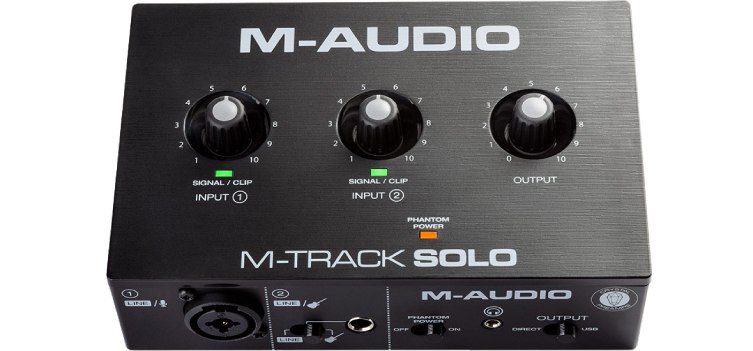
So, if you have an old interface or preamp and there’s no sign of a phantom power switch, button or indicator of any kind, then…it sounds like it’s time for you to upgrade! As we’ve just seen, it doesn’t have to cost much at all.
Get Recording!
Hopefully this short blog has solved the mystery of phantom power for you. There’s really nothing to it from a musician’s point of view: you just need to remember that your condenser mic won’t work without it!
Good luck, and hit the links below if you’re in the mood to check out our mics and interfaces!
Click to Browse our Microphone Selection
Click to View our Audio Interfaces