How important do you think headphones are for your music making? Does it depend on the type of music you’re making? Will any set of headphones do the job?
Maybe, but I don’t think you want to be so blase with your own music, here! A good set of studio headphones for monitoring and mixing is one of the most important pieces of gear you can buy. Whether your homespace obliges you to work on headphones exclusively, or your work space is big enough to let you crank the tunes (congratulations!), you still need to be able to trust what you are hearing. A good pair of cans will make a difference.
Notice I’ve said ‘good’ twice now, not ‘expensive’. Whilst good headphones often are dearer than the hordes of headphones that get advertised at you online, there are tons of great sounding headphones out there that are cheaper than the fancier consumer ones.
I’ll show you both today.
I know how important good headphones are, because I’ve been using them professionally for over two decades. Recording, listening, mixing, mastering and sound designing are all jobs I’ve done for others using headphones at one time or another. Bands, commercial projects, soundtracks, entertainment spaces…I’ve put my ears into a bunch of headphones for paying clients over the years and I want you to benefit from some of my experience!
What Makes Studio Headphones Different?
So, what is it about so-called studio headphones that make them so much better than standard consumer-grade phones?
Transparency.
Lots of commercial headphones flatter your ears with preset EQ curves that boost and cut certain frequencies, in order to give what the manufacturers think you want. They boost the bass and the high end to add thump and sparkle to your sound. It’s a final layer of production that nobody asked for, frankly. If you use such a set to mix with, then how can you ever know what your music really sounds like?
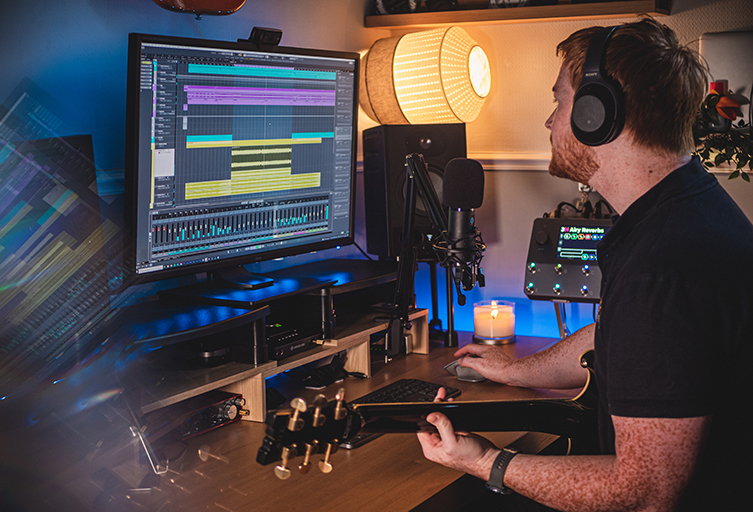
So, the goal is for a flat sound that is neither overly complimentary nor dull and uninspiring. You just want as close to exactly what you have created as possible. To this end, we look to things like frequency response, quality of connectors and natural attenuation in some regards, since background noise will always be an issue to some extent or another.
These factors, along with build quality, price and comfort (you’ll be wearing these a lot!) add up to the reasons why some headphones end up costing more than others in this area.
With Pro Audio, there is a certain merit in trusting brands, because we are talking about things like Sennheiser and Shure, who have proven themselves over decades of delivering the goods. There aren’t going to be wireless, Bluetooth situations here, because that all interferes with the idea of getting optimal sound quality into our ears!
With all that in mind, I’ve picked out a selection of great headphones that are all available at time of writing. I’ve tried to include a range of price points and types of use. Hopefully this will help guide you towards your perfect set of cans!
Firstly, though, a quick word on closed back headphones versus open back models..
Closed Back or Open Back?
Most headphones are built to be either closed back in design or open back. What does this mean though, and what should you go for?
The terms refer literally to how the headphone cups are physically made. Closed back headphones don’t let any sound come out into the atmosphere, meaning nobody else will hear what’s coming out of them except the wearer. This makes closed back headphones ideal for any instances of live studio recording, because you’ll not get any unwanted playback bleeding through the phones into the recording atmosphere.
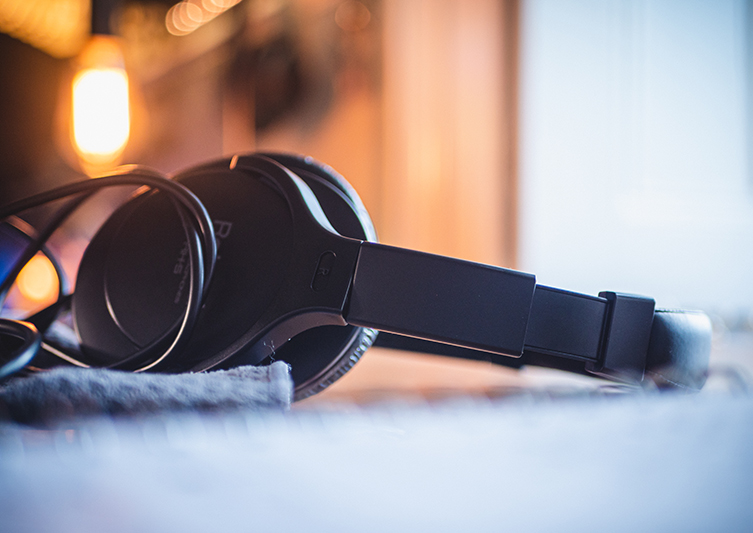
Open back headphones, on the other hand, do let sound seep out of them into the atmosphere. Why would you want this? Because, hearing the sounds in a less hermetically-sealed listening space lets you get a better handle on how they will exist when heard generally. This makes for a much better foundation to begin a successful mix.
In basic, general terms: closed back for recording, and open back for mixing.
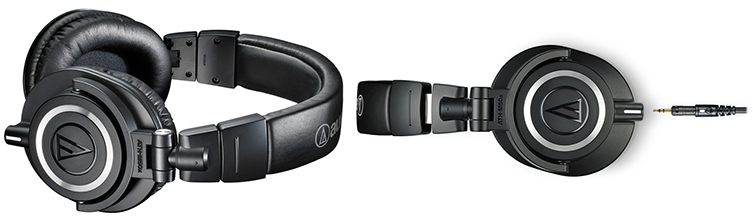
Best Mid-Priced Headphones for Recording: Audio Technica ATH-M50X
Audio Technica are a brand I’ve trusted for years now. They’ve consistently delivered good products that perform well and last for years, which is all you can really ask for! These ATH-M50X headphones are priced similarly to top-end consumer grade headphones that you’d buy on the high street, but to my ears, they deliver a much better experience.
As closed back headphones, they are best suited to live studio recording, as you won’t get any bleed coming through into the atmosphere (and hence the recording).
These have slightly larger drivers than many headphones (45mm instead of 40mm) and that may help account for why they sound so good and clear at this price: they can physically handle more frequencies. Reports of a 15Hz to 28Khz is very impressive, though I’d personally repost a slight lack of midrange in certain situations. Still, they are tough, clear and very useful for recording and general use.
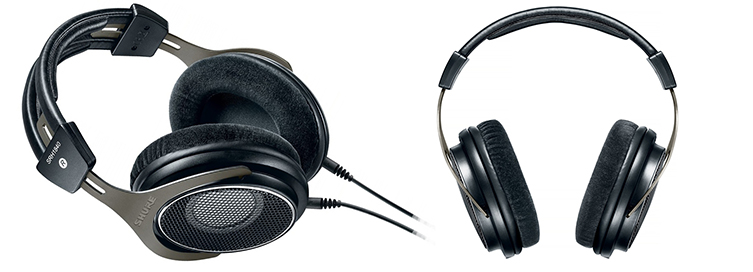
Best Professional Headphones for Mixing: Shure SRH1840
The Shure SRH1840A are pretty expensive, but they deliver the goods when it comes to nailing a precise mix. Now, I’d never recommend ONLY mixing on phones - you really need to hear sounds occurring in a room via monitor speakers - but that isn’t always possible, and so these will get you to the finish line like a pro. At any rate, great monitor headphones are a required reference, since so many of us listen to music mostly on headphones anyway.
These headphones let you hear a great amount of detail, and have a good balance of frequencies. The design, though open back, still naturally attenuates background noise for a higher quality experience overall.
Importantly, these are also extremely comfortable, so extended sessions of careful listening are easy to achieve here. Also, the build quality is noticeably higher than some other examples I’ve shown you today. Although none are less than well made, these seem quite obviously durable, and also have replaceable cabling and ear pads, which I wish every brand did!
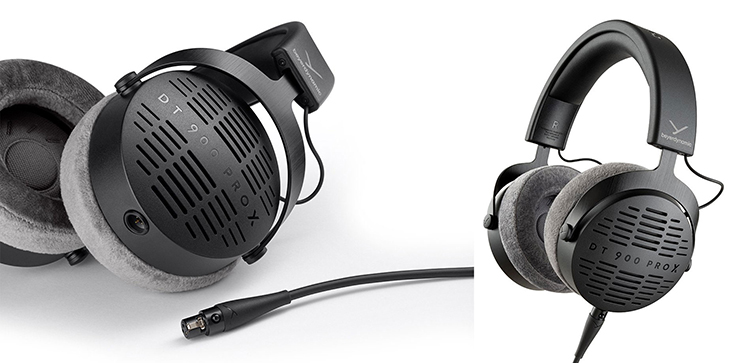
Best Mid Price Choice for Mixing: Beyer DT900 Pro X
Whilst over £200 is hardly inexpensive, these Beyer DT900 Pro X headphones are well under half the cost of the set we just looked at, and still perform to a high standard. If you’re looking to save some coin, these are a great choice.
Beyerdynamic, to give the company its full name, are a very famous pro audio brand. Their DT range is used across the world in broadcast situations, so that instills a lot of faith already. This set of phones are open back and ridiculously comfortable, with a reassuringly flat, transparent sound. Since neutrality is the name of the game here, I’d point out that the brand’s sometime criticisms of having overly trebly sounding cans is not in evidence here: these are great for mixing.
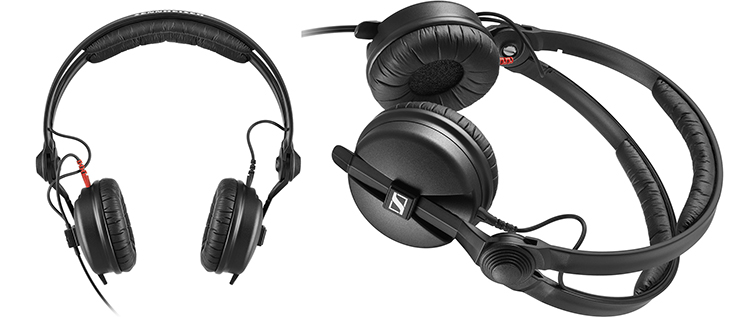
Best Headphones for DJ and Multiple Use: Sennheiser HD25
These Sennheiser HD25 headphones are one of the world’s best loved DJ headphones. There are three main reasons for this: they are small & light; they are extremely strong; and they are great at delivering a strong sound with a lot of background noise attenuation. Each of these reasons makes the HD25 also a great choice for any musician looking for reliable, great sounding headphones with longevity built in.
Sennheiser are one of the great pro audio brands, and people have sworn by these cans forever, so it makes sense to try them in your context and see how they perform. Forget the fact that they are smaller and do not cover your ears: they will deliver more than enough sound to you! Another bonus is how replaceable the parts are, though as I’ve mentioned, the build quality is exceptional. In many ways, these are hard headphones to beat, whether you’re a DJ or not.
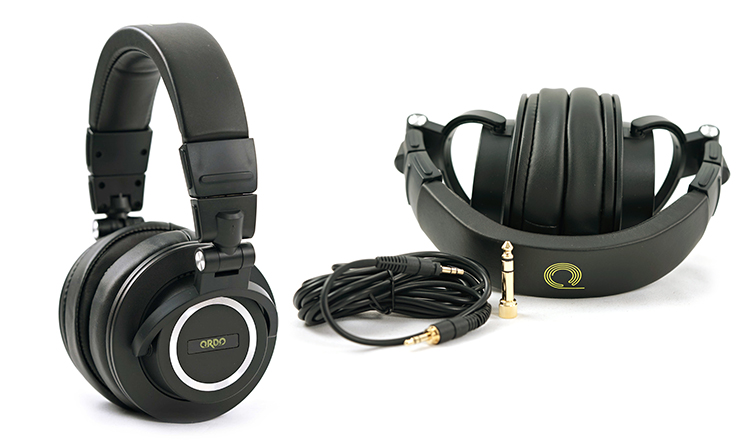
Best Budget Headphones for All-Round Studio Use: Ordo PMH40
I mentioned earlier that you don’t have to spend top-dollar to get really good results, and the Ordo PMH40 closed back headphones certainly fall into that bracket. They are made to a price, sure, but you won’t necessarily feel that from them unless you directly compare to pricer phones.
Sonically, you’re on good ground here: the sound reproduction is impressively detailed for the price, though they won’t compare with the Shure or Beyer sets we’ve looked at already. This is understandable, given how fantastically affordable they are!
What is most impressive here is the reported frequency response, because it is huuuge: 10hz - 35KHz!!! On paper, that beats most other headphones, regardless of price! For what is essentially a budget set of headphones, these Ordos deliver a good balanced sound with a robust low end, and will allow you to make detailed mixes without breaking the bank.
Which Headphones Should I Buy?
So, there’s a selection of headphone choices for you, from under £50 to over £500. Some are better suited to tracking, some for mixing, and in truth, all of them will do both really well. It may be that you feel that two sets are required - one for each task - and I’d definitely nod my head in agreement there!
One thing you may want to consider is to buy the best set you can afford, but save back £40 from your budget and purchase a super affordable pair too. This allows you two distinct references, cheap and expensive (to be vulgar about it), and that may prove more useful than anything. Hearing your mixes from two disparate sources like this will give you more info about how your mix stands than any one source, no matter how flat and detailed that single source may be.
Worth considering!
It’s All in the Mix
I’m tempted here to say that, if you are looking to buy one set of headphones, then an open back pair is going to be ultimately more useful to you. After all, you can still track with them, as long as you are working alone and won’t be risking any audio bleed into the recording.
But in all honesty, I think all of these headphones are good choices, and I’m willing to bet that most of you will have a set of studio monitors at home anyway, so perhaps the quietness of closed-back headphones is actually more useful to you?
Whatever you do, investing in a good pair of earphones is never going to be a waste of money. You’ll be able to track confidently, listen critically and pick out details that won’t necessarily appear otherwise. Then, you’ll be in a position to work on a complex and rewarding mix, using what you have to achieve your best results.
After all, is that not what it’s all about?
Click to View our Selection of Headphones