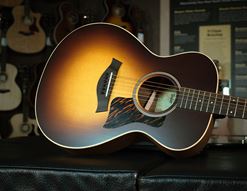
When was the last time you tried a Tanglewood guitar? It seems like a brand we grew up with (at least, those of us who started playing in the 90s or later!), and one that was ubiquitous in music shops, up to a certain price point. That’s how I’ve always thought of them, anyway, and in truth that’s still relatively true. They make great value guitars, but there’s actually a lot going on within the brand itself, so I figure it may be useful to explain it all in one place.
That’s precisely what I’ve done today for you. Here, you’ll come across a brief backstory of Tanglewood guitars, but more significantly a breakdown of what’s available, how to decode the series names, and so on. I hope you find this article to be a useful information source, and I also hope it helps to connect you with your ideal Tanglewood acoustic guitar.
A Very Brief History of Tanglewood
Tanglewood are a British guitar company. They started in London back in 1988, so they are a relatively new brand on the block, even though they’ve had a significant presence in British music shops since their beginning. The brand was started by two men - Nigel Oliver and Bernie Goodfellow - whose plan was to create a range of effective, good value instruments for working players. Not a beginner brand, but affordable guitars that could withstand the rigours of the road.
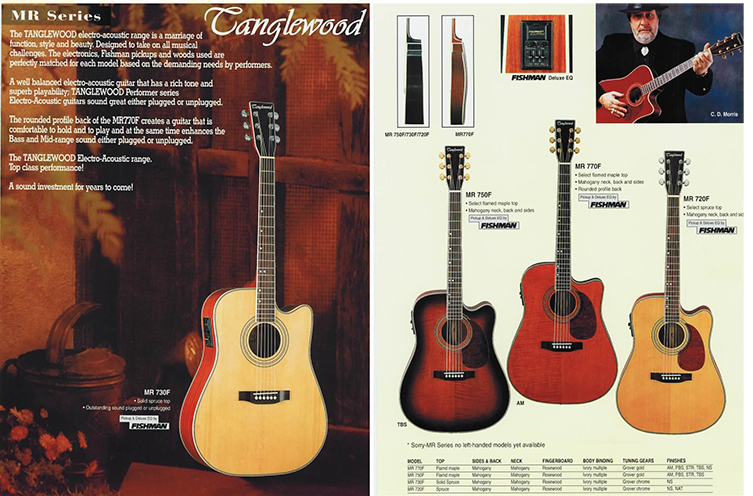
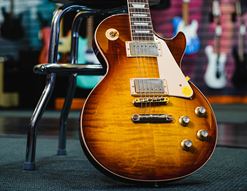
By the early 90s, Tanglewood were importing their own range of acoustic and electric guitars into the UK. Many of these were fairly close takes on acknowledged classics, though of course far less expensive than their inspiration! I personally have vivid memories of unleashing cack-handed Iron Maiden riffs at some very tolerant music shop staff on a gorgeous black and cream Tanglewood Baron, none the wiser to its status as a copy of a Gibson Les Paul Custom. I was 12 and had no idea what a ‘Les Paul Custom’ was, to be frank!
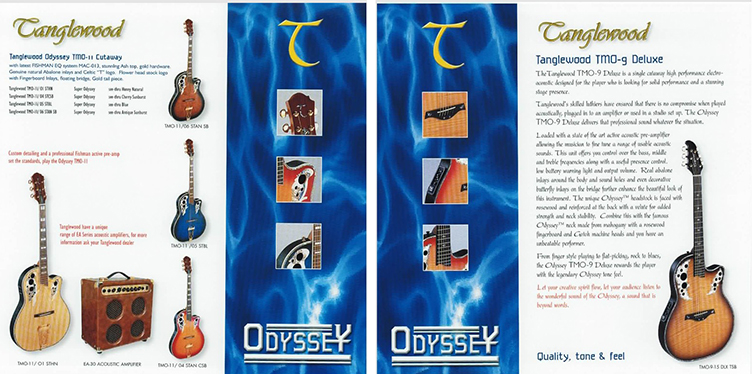
Anyway, further into the 90s, Tanglewood began adding folk instruments such as banjos and mandolins to their offerings, but it was always their acoustic line that garnered them the most recognition and renown.
US distribution beckoned in 2005, making Tanglewood an international proposition. Still, the design of every guitar line was still carried out in England. By now they were in Wetherby, Yorkshire, with another premises in Biggin Hill, Kent.
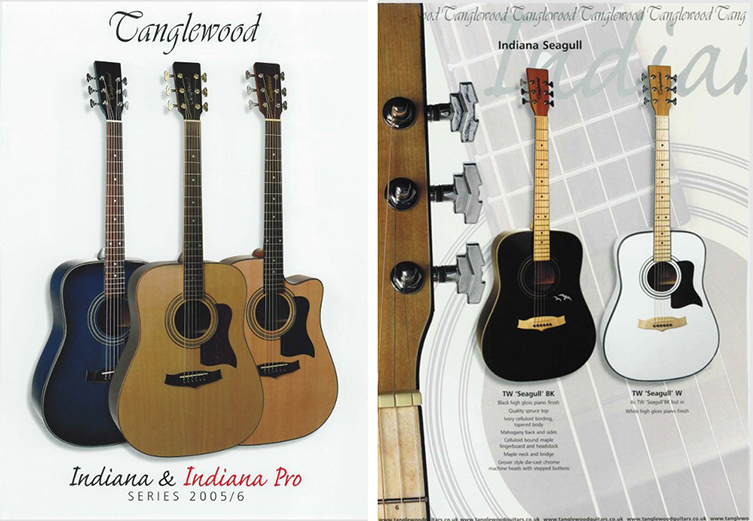
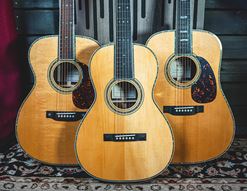
Since then, Tanglewood’s acoustic guitar ranges have expanded considerably. The offerings range from deeply affordable instruments made entirely with HPL (High Pressure Laminate, similar to plywood but superior since it’s layers of the same timber), to fully solid timber guitars built here in the UK. There’s a lot in between those extremes too, so I’ve put together a reference guide for you to get up to speed at a glance…
The Tanglewood Ranges
So, as I mentioned, there’s a lot of different ranges here, each with a number of instruments. I’ll handle it by identifying each series first - along with their abbreviated ‘codename’ where appropriate - then I’ll talk to you about the body shapes too.
Tanglewood Series
- Discovery (DBT) - beginner’s range
- Strada (TS) - very affordable models with open grain finishing.
- Roadster X - Spruce & ovangkol construction (non-solid)
- Azure (TA4) - electro-acoustics made with exotic woods
- Java (TWJP) - focussed on travel guitars and parlours
- Jumbo (TJ) Metropolitan - HPL spruce and koa
- Elemental - Solid mahogany top, layered mahogany back & sides.
- Crossroads (TWR/TWCR) - 1930s inspired all-mahogany models)
- Blackbird - Mahogany (non-solid), painted black and focussing on the Superfolk Cutaway shape.
- Tanglewood Standard (TW)
- Premier (TP) - all-solid construction of Engelmann spruce and mahogany, with Fishman electronics.
- Tanglewood Great Britain (TGB) - all-solid construction, hand made in York.
Extra Info on the Codenames
Tanglewood use lots of the usual abbreviated nomenclature for describing other parts of a particular guitar build, such as CE meaning Cutaway Electro-Acoustic, and LH for left-handed. Colours will often appear in the product name, so it’s B for Blue and BK for black.
Here’s some more examples to help out:
- CSN - Crosby, Stills & Nash. No, wait: Cedar, solid top, Satin Natural finish.
- CSR - Cedar, solid top, rosewood back & sides
- SVAB - Spruce top, Violin Antique Sunburst gloss finish
- XB - Exotic Bubinga (layered Bubinga back & sides)
- XFM - Exotic Flame maple (layered flame maple back & sides)
Tanglewood Body Shapes
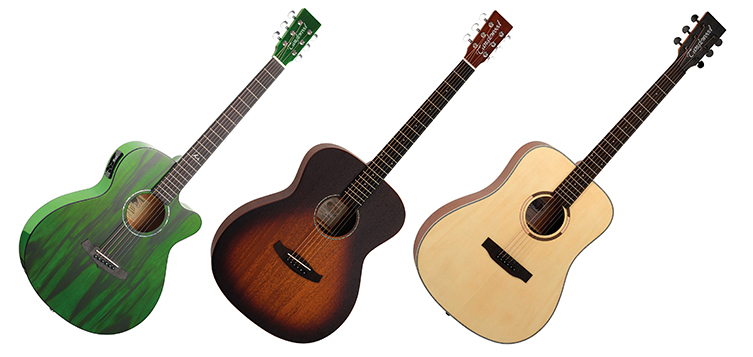
As you may expect from a company with so many series on offer, there are also a wide range of body shapes that populate each series. Not every body appears in every series, but most ranges do offer a good selection of shapes. Here they are….
- Dreadnought - the classic shape you know so well already!
- Orchestral/Folk/OR - Tanglewood seem to use the same body shape for both folk and orchestral models, as far as I’ve been able to tell, and it’s one you’ll see often. Equally adept at strumming and fingerpicking.
- Auditorium - larger than the Folk size but similar in outline, this offers more volume and bottom end.
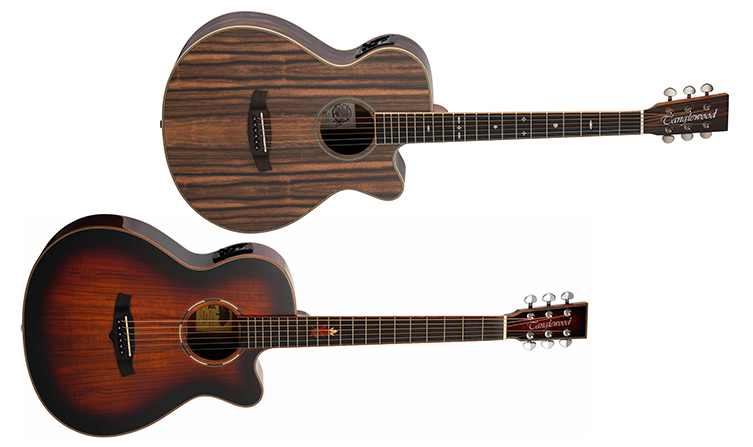
- Superfolk Cutaway - a modern folk style with a shallower (less deep) body, a trademark Tanglewood design. Very comfortable due to the skinnier body.
- Parlour - small body, very traditional ‘Pre War’ outline. Good for acoustic blues music.
- Travel - roughly dreadnought shaped, with dimensions altered and sized-down for portability.
Are Tanglewood Guitars High Quality?
Tanglewood are a brand for working players. They are known for their dependable, rugged builds, good quality construction and reliability. Given that they produce instruments that are mostly designed to meet specific price points, it seems sensible to compare them like-for-like rather than to high end or boutique guitars. In this regard, they are high quality relative to their cost, and are what I would consider good value.
That said, they do use lots of materials such as High Pressure Laminates (HPL) which are solid, predictable, resistant to temperature changes and so on, but not necessarily a ‘high quality’ material compared with solid timber.
Tanglewood Electric Guitars
I’ve focussed primarily on Tanglewood acoustic guitars today, since that is really the company’s bread & butter. They are known for it, and for fulfilling a particular area of the market with good acoustic guitars.
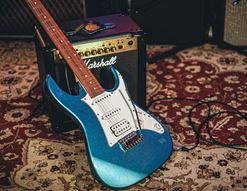
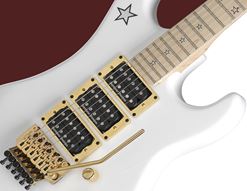
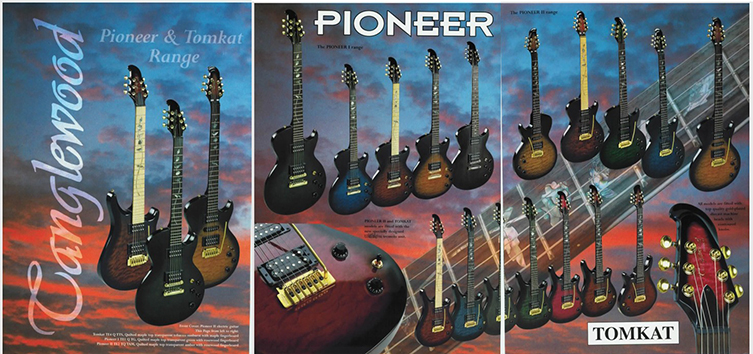
That said, Tanglewood have always offered electric guitars, too. You’ll remember my anecdote from my early playing years of course, and since then, Tanglewood have offered players on a budget access to nicely made electric guitars. These are, it’s fair to say, based heavily on the usual instantly recognisable big hitters. In previous years, though, you’ll have been able to find things like PRS-style electrics (were they called Tomkats?) featuring falling leaf inlays instead of birds. They still use those inlays today on certain acoustic models, actually, but for electrics, you’ll need to search for pre-owned bargains to find those models.
Tanglewood: For Musicians
Tanglewood has always been a brand of instruments for players. For musicians. They make handsome instruments at excellent price points, and significantly, they understand their role in the market. Whilst they do offer a small number of premium-priced hand-made guitars (the York-made Tanglewood Great Britain series), they are not generally in the business of creating museum pieces. They are in the business of putting good, usable, reliable instruments into the hands of guitarists who need good kit to play gigs with. They make attractive looking road-companions that are designed for good performance, night after night.
I don’t know about you, but I think that’s a reassuring and inspiring position to be in for them. A British company who design and import good, affordable guitars that deliver consistently. There are lots of good acoustic guitar brands out there, and they are all worth your attention, but don’t forget that one of the most significant and enduring brands of the last 40 years has been UK based. Try one next time you visit us, compare it to anything else at a similar price, and you’ll get the true measure of why Tanglewood have been able to compete all these years.
Click to View our Selection of Tanglewood Guitars