An Ampless guitar rig? What do people mean when they talk about ampless guitar rigs? That’s what today’s article is all about. I’ll explain how guitarists can play live shows these days without requiring a traditional amplifier, what types of equipment they use, and how you can do it too.
Whilst there’s nothing quite like the feeling of plugging into a cranked half-stack, it’s becoming less and less feasible for many bands, for a number of reasons. That’s a shame of course, but the good news is that we can all still sound amazing using an ampless setup.
Here’s how!
What is an Ampless Guitar Rig?
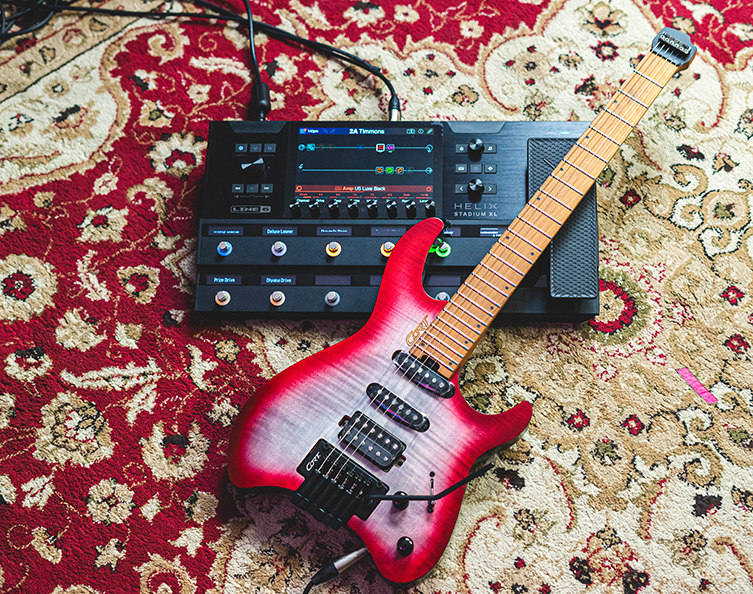
First thing first: what does the term ‘ampless guitar rig’ mean? In basic terms, it means using an amp modeller device instead of a traditional amp. Amp modellers are normally floor units that are combined with multi effects units, and they perform a few extra functions that we need to know about today, too. They do come in other forms (as we shall see), but the all-in-one units like as the Line 6 Helix and Neural DSP Quad Cortex do tend to be the first choice for comprehensiveness, convenience and performance. Here’s are the component parts that make up an ampless guitar sound:
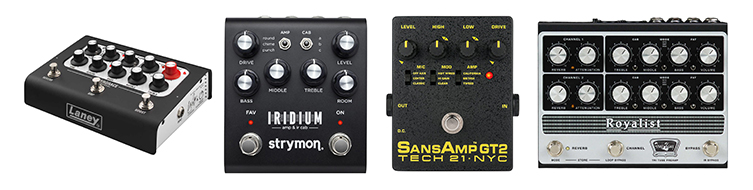
Amp modeller/simulator: this provides the actual sound of a guitar amp. It can be a software plugin on a laptop, but most often it’s a piece of hardware such as a pedal or part of a bigger digital modelling setup. A Sansamp GT2 is an example of an amp modeller, as is a Strymon Iridium. All devices like Quad Cortexes and Line 6 Helixes are also amp modellers: they just have lots of other functions, too.
Cabinet Simulator/Impulse Response Simulator: this can often be a function of an amp modeller or multi-effects device, but basically it adds the sound and ‘behaviour’ of your guitar sound as if it were coming through a speaker cabinet. It adds life, movement and reactive elements that make your sound more ‘realistic’, for want of a better term.
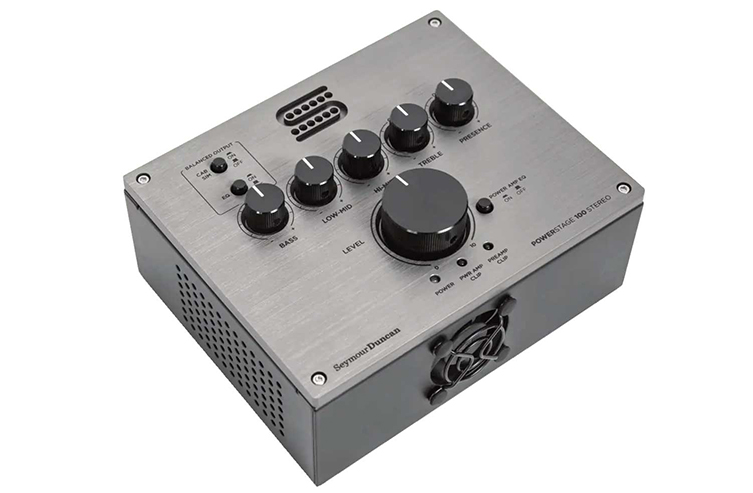
Power Amp pedal: not every ampless rig requires this, but those using stompbox setups may find a lot of use in one of these if they want cabinets onstage, or just more control over their signal before it goes to the PA. Devices like Seymour Duncan's range of Powerstages are perfect for this.
DI Output: this is a device or function that converts your currently unbalanced signal (in electrical terms) and balances it to a signal strength that works with mixing desks and PA systems. Most digital modellers do this as part of their inner process. You may also have encountered DI boxes at acoustic gigs? It’s the exact same idea. A balanced signal is simply more professional, and better for the sound engineer to work with. Always keep him happy!
Benefits of an Ampless Guitar Rig
Going ampless has lots of benefits. I’ll outline them below, but I’ll also add that - based on personal experience - having a good sound engineer is as important as it ever was with amps! Venues are as unpredictable with an ampless rig as they are with an amp, so that part of the puzzle hasn’t changed!
Portability: Your entire rig can now fit inside a backpack. Even the bigger modellers are eminently portable compared with an amp that has a 12” speaker, a pedalboard filled with pedals and then all of your connections. Whether using your own car/van or jumping on public transport, the portability of an ampless rig is a real game-changer. No more fear when faced with flight of stairs at venues!
Consistency: your digital modelled tones remain the same night after night, regardless of any variables at venues such as power, room size, temperature etc. The sounds that you’ve spent ages creating are the sounds you’ll be able to use every night.
Control: Using a digital modeller puts a whole studio’s worth of equipment at your disposal. This means you can sculpt the perfect tone for every song, using the exact gear you’d prefer to have, not just the one real-life amp you settled on. You can dial in your precise effects settings (precise delay times etc) and recall all of this stuff directly from the unit every time you play. You are more in control of your sound than ever before, and the possibilities here are almost endless.
From Home to the Stage and Studio: Thanks to the consistent nature of the digitally modelled tones, what you hear at home volume is largely how you’ll hear it when it’s louder at the rehearsal studio, and on stage. Also, when recording, you can DI the signal and get your exact tone on record. So much hassle is avoided!
Type of Ampless Guitar Rig
There are three main types of ampless guitar rig, as far as I can see. One of them is decidedly home/recording studio-based. The other two are really what this article is about. Here are all three…
- Laptop Plugins: this is the home/studio choice. You plug your guitar into an interface, which is connected to your laptop. Then, bring up your favourite guitar plugins - I like Neural DSP’s Archetypes but there are loads out there - and you simply control your sounds from the computer.
- Amp Pedals: there are a few names for these devices, such as ‘amp-in-a-box’ or ‘amp simulation pedal’ and so on. Basically, it’s a roughly stompbox-sized pedal that offers a few simulated amp sounds, and normally cabinet simulation (IR by another name) as well. Tech 21’s Sansamp series were early pioneers of this style, and since then we’ve seen excellent amp pedals from brands like Laney, Victory, Strymon and more. Basically, you use these on your pedal board, in place of a ‘proper’ amp. You then use the rest of your pedal collection as normal for all of your modulations and delays etc.
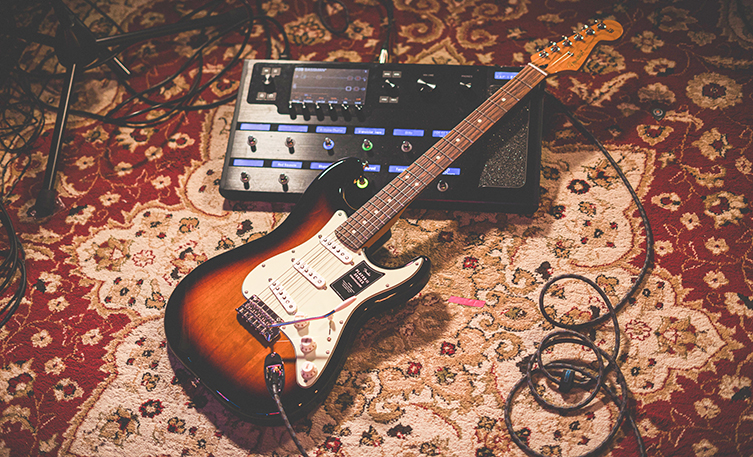
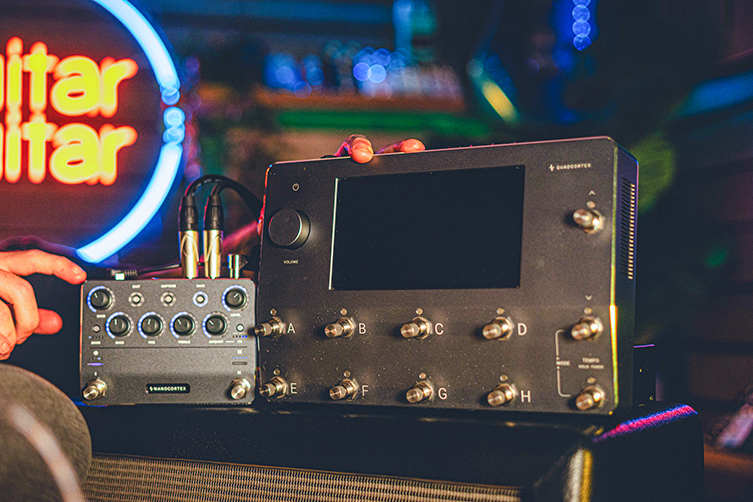
- Digital Modeller: we used to call these ‘multi fx processors’ and in fact often still do, but the big change now is that they are so powerful and convincingly ‘real’ sounding. Pro players routinely use them, and by ‘them’ I mean the Line 6 Helix, the Neural DSP Quad Cortex, Fender Tone Master Pro and all the rest of those amazing floor units. These are the all-in-one solutions that offer amps, cabs, effects and lots of options for editing and switching. With one of these, you need nothing much more than a guitar and a couple of cables.
Do You Need an Amp?
As I’ve hopefully made clear to you today, you really do not NEED an amp any more. Not as an essential part of your setup at any rate. You can rehearse, record and perform gigs with a digital modeller, and enjoy all of the benefits of a fully ampless guitar rig.
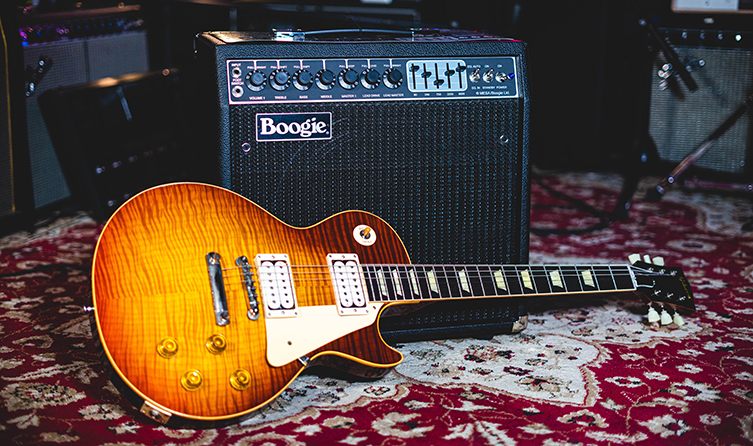
That said, these modelling units wouldn’t exist if it were not for famous amplifiers existing in the first place, and I’ll be the first to admit that the ideal scenario is to have the means to use both methods. Amps are fun, inspiring and they deliver a visceral, physical experience that is still unique.
But there are times where it’s just plain handy to be able to carry a small-ish bag around with you, and have it contain your entire guitar rig. Foreign gigs is one, and multi-band lineups at festivals where you may have to plug ‘n’ play with no soundchecks would be another. Ampless guitar rigs exist in addition to amps, and goodness me do they make life easier!
Try one for yourself and see if it’s a game-changer for you!