Martin fans, are you familiar with the Road series? If it has been a few months since you last checked them out, then you may not know that the entire range has been given a pretty significant rethink and refresh. This is a range that has been going strong for about 30 years in Martin’s catalogue, so this is something worth investigating for sure!
If you want a quick, straightforward lowdown on what the Martin Road Series actually offers in 2026, then give me your next 8 or 9 minutes and I’ll have you fully briefed…
What is the Martin Road Series?
Okay, first off: what actually is the Martin Road Series? For those who’ve known the range in the past, how different is it today? Let me explain…
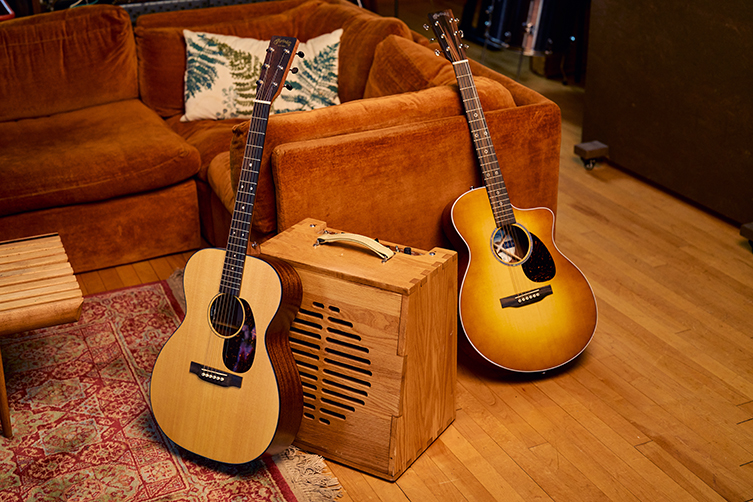
The Martin Road Series is the company’s Mexican-made intermediate line of guitars. Designed to sit in between their most affordable ranges such as the X-series, and the Martin 15 series, the Road Series is all about the gigging player. Each model is an electro-acoustic with a built-in pickup system (Martin or Fishman made, depending on the guitar) to get you onstage straight away.
The Road Series in the past has been its own entity, but this 2026 rethink actually splits the range into two sections: Retro and Modern. Here’s what to expect from each…
Martin Road Series Retro
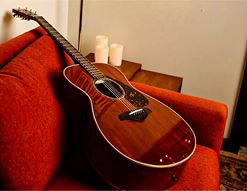
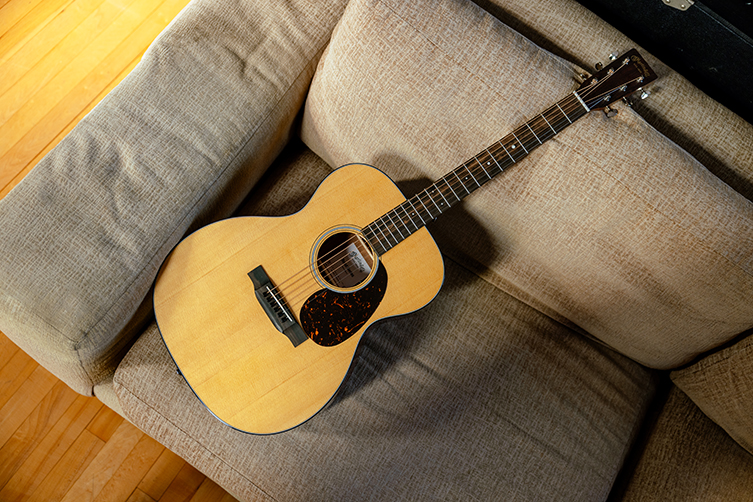
First, let’s check out the Retro side of the Series. It’s as you might expect: classic body shapes like the triple oh and the dreadnought, available with no cutaway. These are generally made with all-solid construction - always a welcome benefit - and make use of more sustainable timbers such as walnut, grenadillo and sapele, the latter being used as an affordable substitute to mahogany on the range’s more overtly ‘15 series’ styled guitars.
These guitars are for players who want a traditional Martin guitar, with the historical silhouettes and clean, old-school aesthetic.
In terms of the body styles available, the Retro Series carries the following:
- 0
- 00
- 000
- Dreadnought
These are all non-cutaway models and have discreet electronics with end pin battery compartments. I like this decision because it keeps things classic looking, sleek, tidy but also practical: you can easily pop the compartment and change a battery without having to detune strings and reach inside the soundhole.
Talking about detuning, it’s also worth mentioning that the whole Road series (not just the retro) has geared tuning keys that are optimised for each string, so the same number of turns will alter each string’s pitch by the same difference. No more ‘half a turn for the low E, six turns for the high E’: they will all move the pitch the same. Great for developing a muscle memory approach to detuning as you go.
Martin Road Series Modern
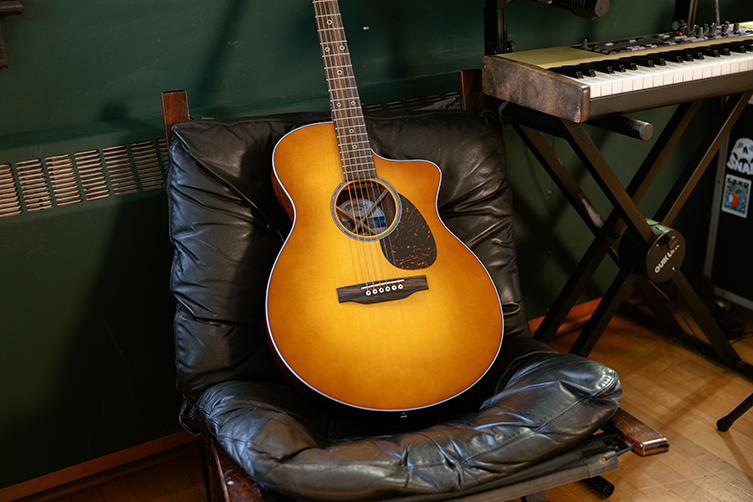
The Modern part of the Road Series, then, is where you’ll find examples of more contemporary acoustic guitar design. All cutaway models belong here, as does the (relatively) bold SC model with its distinctive offset body. Here’s which body shapes are currently included:
I don’t know about you, but I’m happy to see the OM Cutaway style back in Martin’s catalogue at this price point. I feel like it’s a very attractive shape, and one that’s also very practical size-wise for gigging players.
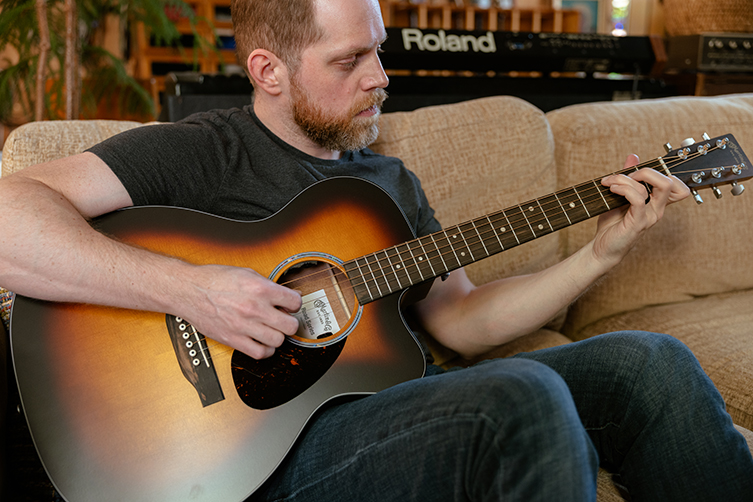
One notable difference in this area is the use of layered woods on certain models. For example, on the Road Series SC13E, you get a solid spruce top and layered Koa back and sides. This is far more economical than using solid Koa, and you still get to enjoy the striking visuals of this famous Hawaiian tonewood.
Shared Features
So, in between outlining the differences between Modern and Retro Road Series guitars, I’ve mentioned a few shared features. Let me reiterate those here, along with any other details that might be relevant to the range at large…

- Pickup systems on all models (Martin, Fishman or LP Baggs depending on the model)
- Performing Artist neck profile - the best shot at making a comfy neck for all players
- Reduced thickness fingerboards with comfort bevels
- 44.5mm nut width: wider than old classic models (often 42.8mm) for extra room
- Martin gig bag included
Finishes
On both Retro and Modern guitars, you’ll see satin and gloss finishes. You’ll see black and cream binding. Here’s an easy way to tell from the guitar’s name:
- Ends in 10: all satin, black binding
- Ends in 12: full gloss, also black binding.
- Ends in 13: full gloss and has cream binding
As for finishes themselves, there are no more anemic, vibeless spruce tops here. Anything gloss has a vintage-style toner in there to add some golden hues, and there are a brace of burst finishes to be had too, including the excellently-named Mezcal burst on the SC13E, which is supposedly designed to evoke those hazy, smoky desert vibes of the Sonora County, where these guitars are built.
Who are the Martin Road Series Range For?
I see the Martin Road Series as being for the professional player who may be in a few situations.
They may just not be able to put together the cash for a USA-made Martin. T
They may indeed have a USA Martin and need a quality backup, or a guitar that sits permanently in an altered tuning.
They may play in the types of venues where one doesn’t necessarily want to take one’s pride and joy USA Martin Standard Series guitar.
There are loads of situations where a player wants that classic Martin aesthetic and sound, but can’t or won’t opt for the ‘full fat’ classic. These are the players I see getting excited about the Martin Road Series.

3 Years and a Product Refresh Later…
This refresh has occurred around three years after I first wrote about the Road Series. Those were totally agreeable guitars, but this new collection is a pretty obvious step up in offerings.

Firstly, I’m going to say that this is still the best range to begin your Martin journey on. I do believe that the Martin X Series guitars are perfectly fine for those on a budget (not that they don’t face some very steep competition from Yamaha, Alvarez and Epiphone at their price point), but having many of these models built with solid timbers just aligns more with longevity, in my opinion. A solid top is essential of course, but having some extra seasoning and character from the body timbers is often what turns a decent guitar into a good one, I’d say.
What else? Well, I’d definitely say that this new Road Series is a distinct step up from how they’ve been in the past. No more HPL (High Pressure Laminate, and if you aren’t familiar with the expression, you’d definitely recognise it in reality), and no more Richlite: just a well curated selection of Martin guitars that either draw from the company heritage, reach for the future, or do a little of both. It’s a great idea to separate the offerings into ‘retro’ and ‘modern’ ‘sub genres’, and there are strengths in each area, I’d say.
So, if you are fixed on buying a Martin guitar, I’d say that the Road Series is still where to begin your quest. If the 15 or Standard series guitars are not within reach, I think certain models from the Road Series are much more than a good looking conciliation. But hey, as always, come for a visit and try a few for yourself!
Click to Browse and Buy the Martin Road Series