If you’re a fan of fusion or shred, then you’ll already be familiar with the Ibanez S Series. A staple backbone of the brand since the 80s, this radically ergonomic axe is a bit of a contemporary classic. Only the RG and JEM models can beat the influence of the S, so that’s why I’ve decided to give it the ‘Expert Guide’ treatment today.
I’ll give you the brief backstory, and tell you what sets the S Series apart from other top Ibanez guitars. I’ll also check out a few guitarists who’ve used the Ibanez S Series over the years, so that by the end of this blog, you’ll know everything you need to know about the Ibanez S Series!
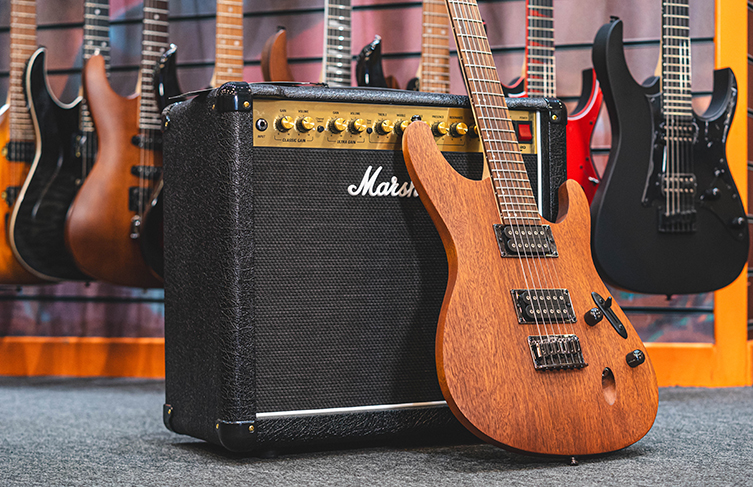
The Sabre
So, the first thing to know is this: what does the ‘S’ in S series stand for? ‘Sabre’ is the answer you are looking for. The model debuted in 1987 alongside other modern classics such as the RG550 and the 540R Radius. The RG came from Steve Vai’s JEM guitar (read all about the birth of that guitar in my blog The Definitive Story of the Ibanez JEM, as Told by Steve Vai), and the Radius model was what Ibanez based Joe Satriani’s signature model on.
So, there’s a lot of successful Ibanez history in this 1987 collection!
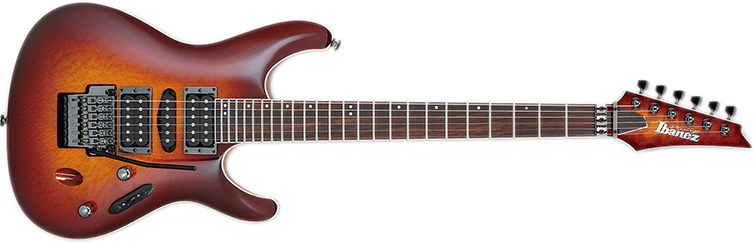
The Ibanez S Body Shape
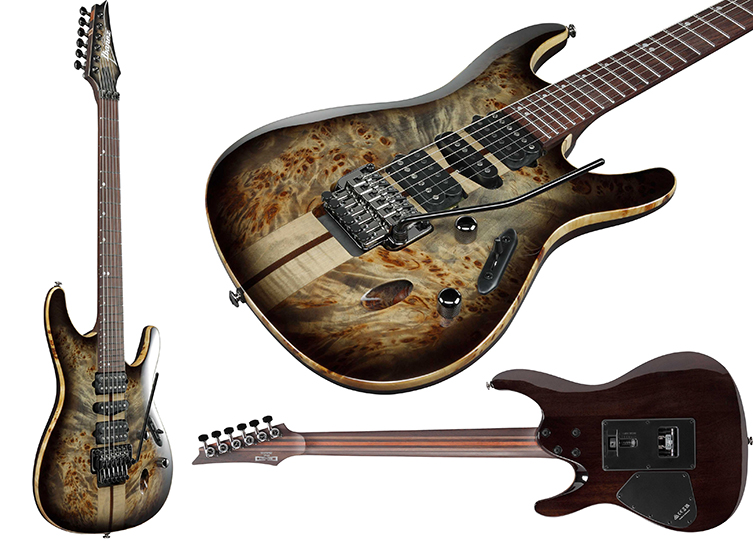
The Ibanez S or Sabre body shape is one of the most extensively contoured bodies of any mainstream electric guitar. It’s ostensibly a Superstrat shape, with both the top and the back carved into contours. It’s extremely ergonomic, which is in keeping with the intended ‘performance’ angle of the model. The RG is an aggressive look, whilst the Sabre has a heavily streamlined look. Variations exist, and I’ve rounded them up in a later chapter.
The S body is still pretty unique today: it’s a perennially popular design, and the one made today is the same shape as the one from 1987.
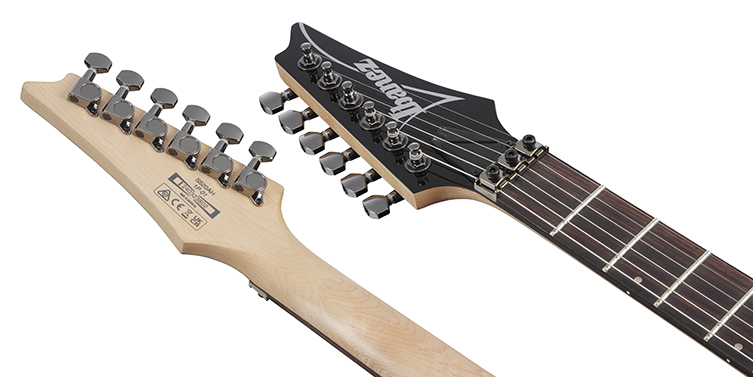
Wizard Neck
The neck on the original Ibanez S Series was the first iteration of the famous Wizard neck. Nowadays, there are lots of variations of it, but they all share the same principle of being extremely thin and flat. Each of those 1987 models - the RG554, the 540R and so on - all had this new Wizard neck, which was designed to offer the player as much speed and control as possible. In the late 80s era of extreme shred, this was just what was required.
All subsequent variants of the WIzard neck - and that includes the Wizard II & III, Super Wizard and a few others - conform to similar measurements. They are super skinny, flat, wide and ready to rock.
Tremolo
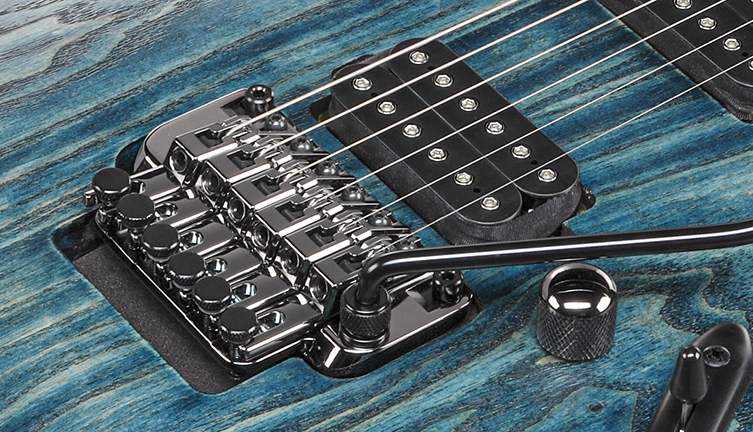
Mostly, the S series comes with a double locking tremolo. Ibanez make their own licensed version of the famous Floyd Rose design, which is called the Edge. There have been several versions of the Edge bridge over the years, and all of them are based to more or less of a degree on the Floyd Rose system. I’m sure you already know this, but this type of tremolo locks the strings in two locations - the bridge itself and at the nut via a special locking nut - and allows much more pitch variation than a non-locking tremolo.
One interesting variation of the Edge that appeared on S series guitars from around 2003 to 2014 was the ZR tremolo. It worked in a slightly different manner to the norm, and featured ball bearings in the movement to allow the bridge to return to its ‘zero point’, in other words, the original pitch.
S Series Variations
There have been a few variations of the Ibanez S series over the decades. The original S shape is still in production today, as I mentioned earlier, but here are a few more versions that have appeared…
- SZ - Thicker body, slightly shorter scale length of 25.1” instead of the customary 25.5” measurement. Most SZ models also had a fixed bridge, making them more clearly a hybrid of S-types and LP-type guitars.
- SZR - These were very similar to the SZ, though they tended to have less pronounced horns and slightly more pointed headstocks. These still had the 25.1” scale length of the SZ. Marty Friedman played these for a while!
- SV - The Ibanez SZ was very similar to the regular S in terms of body size and shape. In fact, the most notable difference was the inclusion of a non-locking tremolo instead of a locking Edge system.
- SA - Still available today, the Ibanez SA is perhaps a slightly less uncompromising design than the S. The outline is similar, but the SA features a flat back and carved top, rather than a fully carved back and top. Also, SA models tend not to have locking tremolos either, opting for a more traditional floating tremolo setup. Ibanez SA guitars are most often found in the more affordable and entry level ranges, and almost always have H-S-S pickup configurations.
Top Ibanez S Series Players
Since their inception in 1987, Ibanez S series guitars have been played by a number of notable artists. Here are a few who spring to mind…
Nita Strauss - Ibanez’s first ever female signature artist, Nita’s JIVA guitars are modified S series models.
Herman Li - prior to getting his own signature model (and then jumping ship to PRS), the Dragonforce guitarist used multiple S series guitars, including the 540S.
Chris Broderick - Megadeth
Kiko Loureiro - Megadeth
Frank Gambale - fusion artists who played loads of Sabres in the 80s and 90s
Alex Skolnick - the Testament guitarist was big on the Ibanez S series back in the day.
The Ibanez S Series Today
The Ibanez S Series is going strong in 2026! Whilst the ‘Sabre’ name is rarely mentioned, the guitars themselves are proving perennially popular. Indeed, along with the RG, they are Ibanez’s longest running range that has never had its production interrupted. Even the awesome Iceman had years when it wasn’t being built!
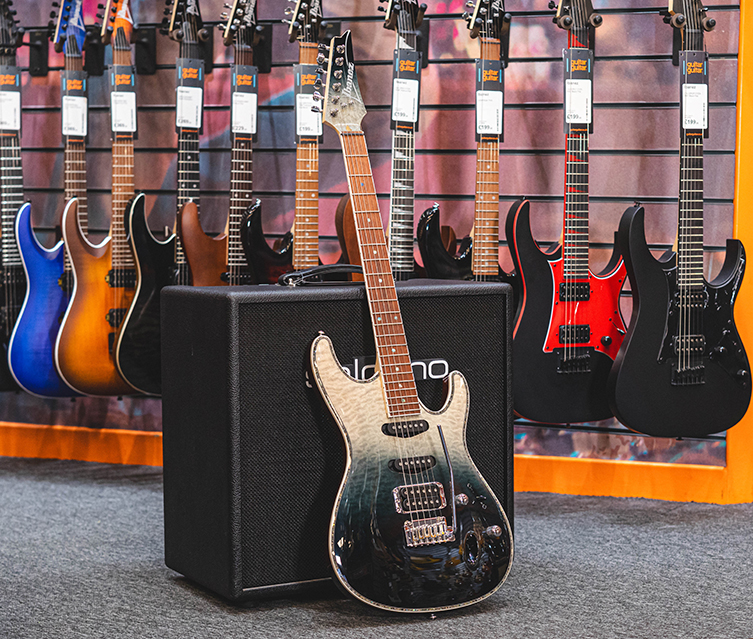
Today you can buy S and SA models that span all of Ibanez’s ranges, from the affordable Gio range to Standard, Iron Label, Premium and Prestige. Truly, there’s an S series guitar for every player who wants one. Given how versatile and lightweight they are - as well as how less overtly aggressive they look - I’d say it’s no wonder why they remain a beloved cornerstone of the Ibanez empire.
Browse and Buy Ibanez S Series Guitars